
Where nature is architecture: Gardens by the Bay, Singapore
A bonus entry in this series - and one I almost didn't write.
It's been over a year since I started this photo blog, and Gardens by the Bay feels almost too well known. It’s on every travel list, every urban design feed, every 'must-see in Asia' round-up. The Supertrees are iconic to the point where writing about them can feel redundant.
So why bother?
Because I believe we're living through a moment of profound short-termism in how we build and plan.
Quick wins, immediately visible impact, the minimum viable intervention - things that show up well in a report or an announcement. The slow, unglamorous work of creating places that genuinely sustain people, health and environment over decades rarely gets the attention it deserves - until that is, the vision is finally realised.
The best decisions in development and placemaking are usually invisible by the time you experience them. They were made years or decades earlier, by people who likely wouldn't be around to see the results - in service of an idea that I’m sure felt abstract, too disruptive, or difficult to justify at the time.
Walking around Gardens by the Bay, you're walking around one of those decisions. The park is extraordinary, but it's that, more than the Supertrees or the spectacle, that stayed with me.
A city re-imagined from the ground up
Gardens by the Bay sits on just over 100 hectares of reclaimed land in the heart of Marina Bay – quite literally built from nothing! The ambition behind it was bold from the start – a garden to rival the world’s greatest, and a core part of transforming Singapore from a 'Garden City' into a 'City in a Garden'.
That distinction in framing and semantics matters more than it might first appear.
The first positions nature as an amenity layered onto urban life - a pleasant addition, a nice-to-have. The second positions it as the very fabric of how a city is built, experienced and inhabited. It's the difference between a park as a feature, and nature and greenery as a founding principle.
In person, Gardens by the Bay feels like one of the most ambitious and genuinely awe-inspiring examples of what happens when somewhere decides to treat nature not as decoration, but as infrastructure.
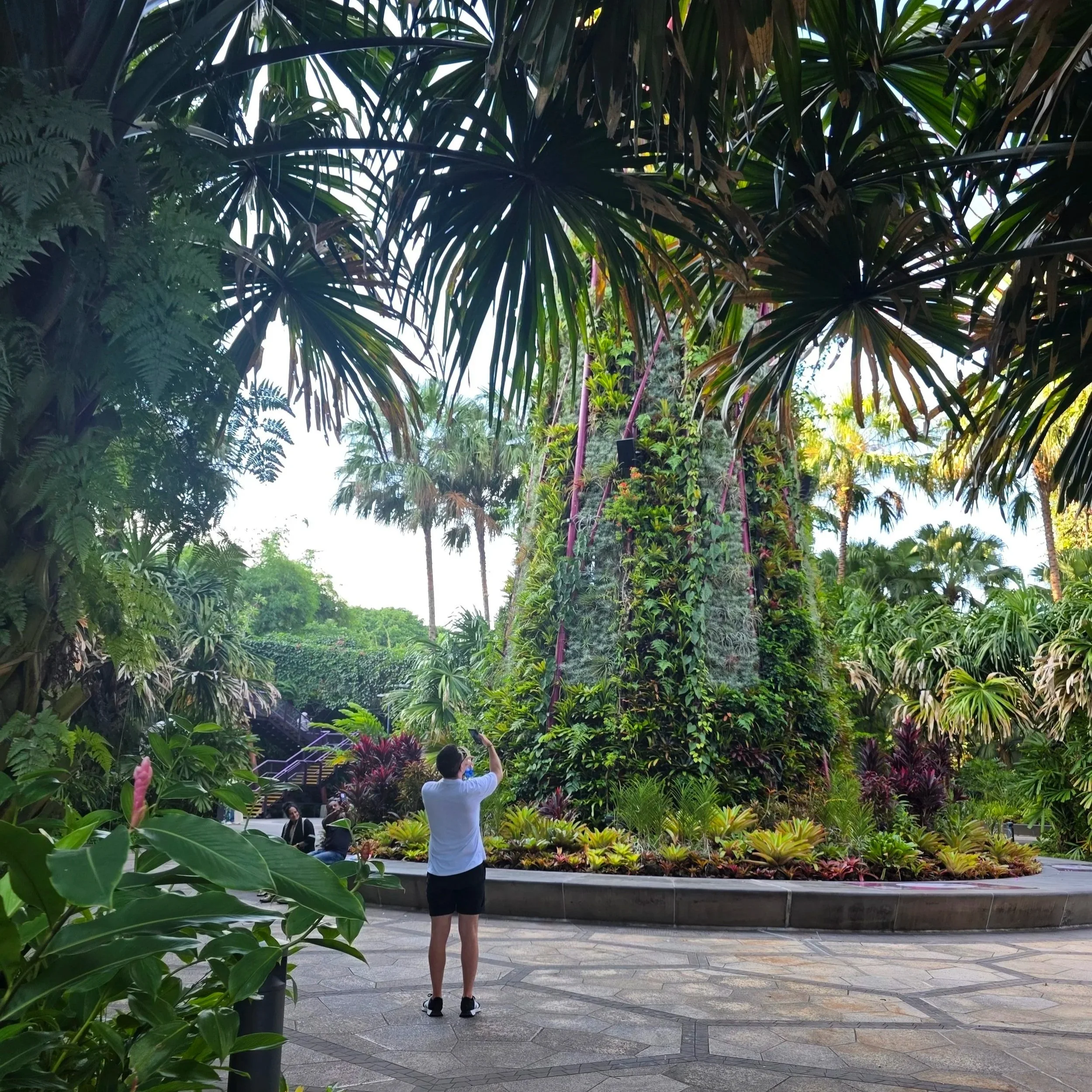
The scale of it
I visited the park (not sure if it should be referred to as simply a park?!) twice on my recent trip in Singapore, and both times I was struck by the same thing - the sheer scale of it.
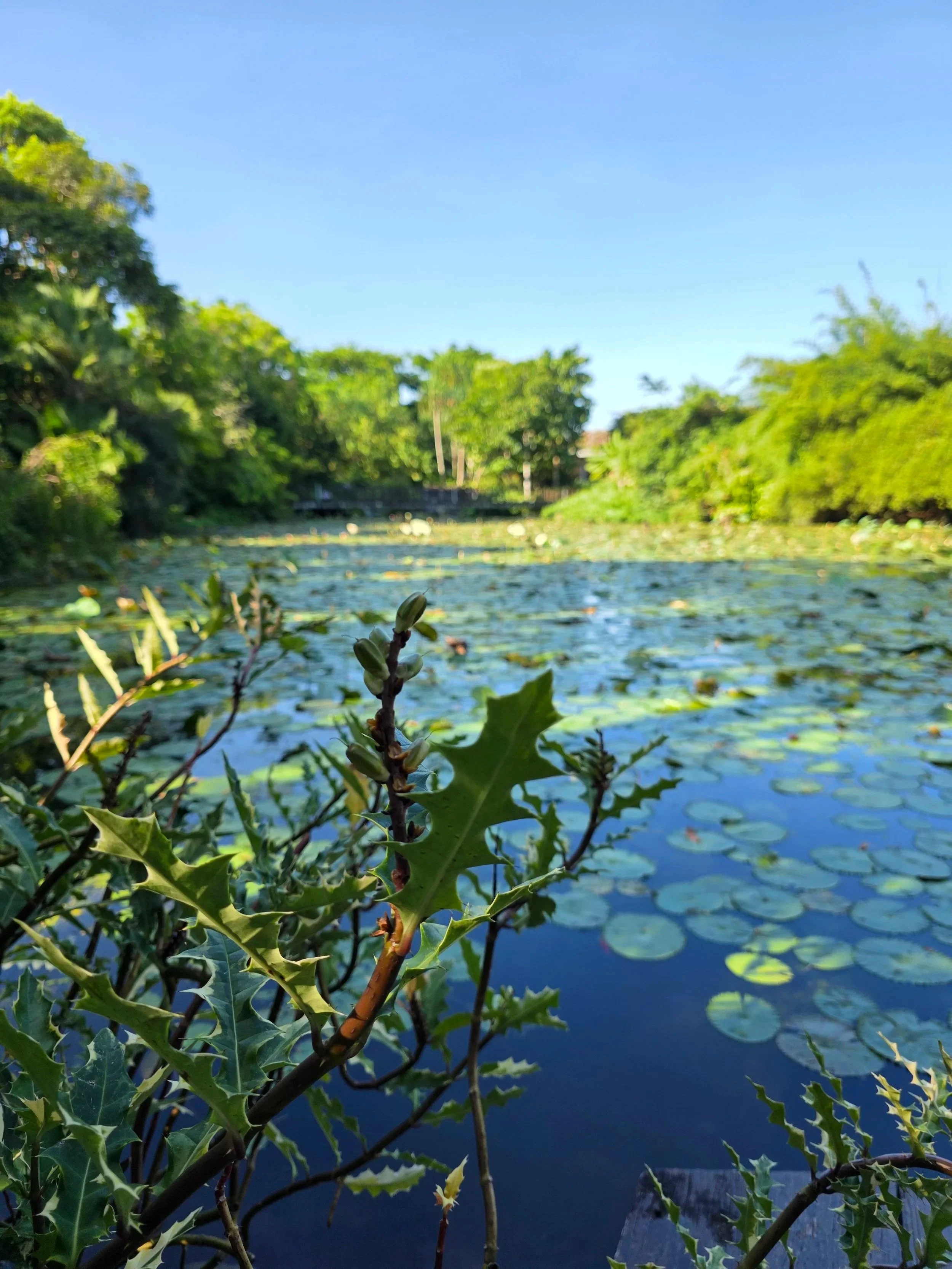
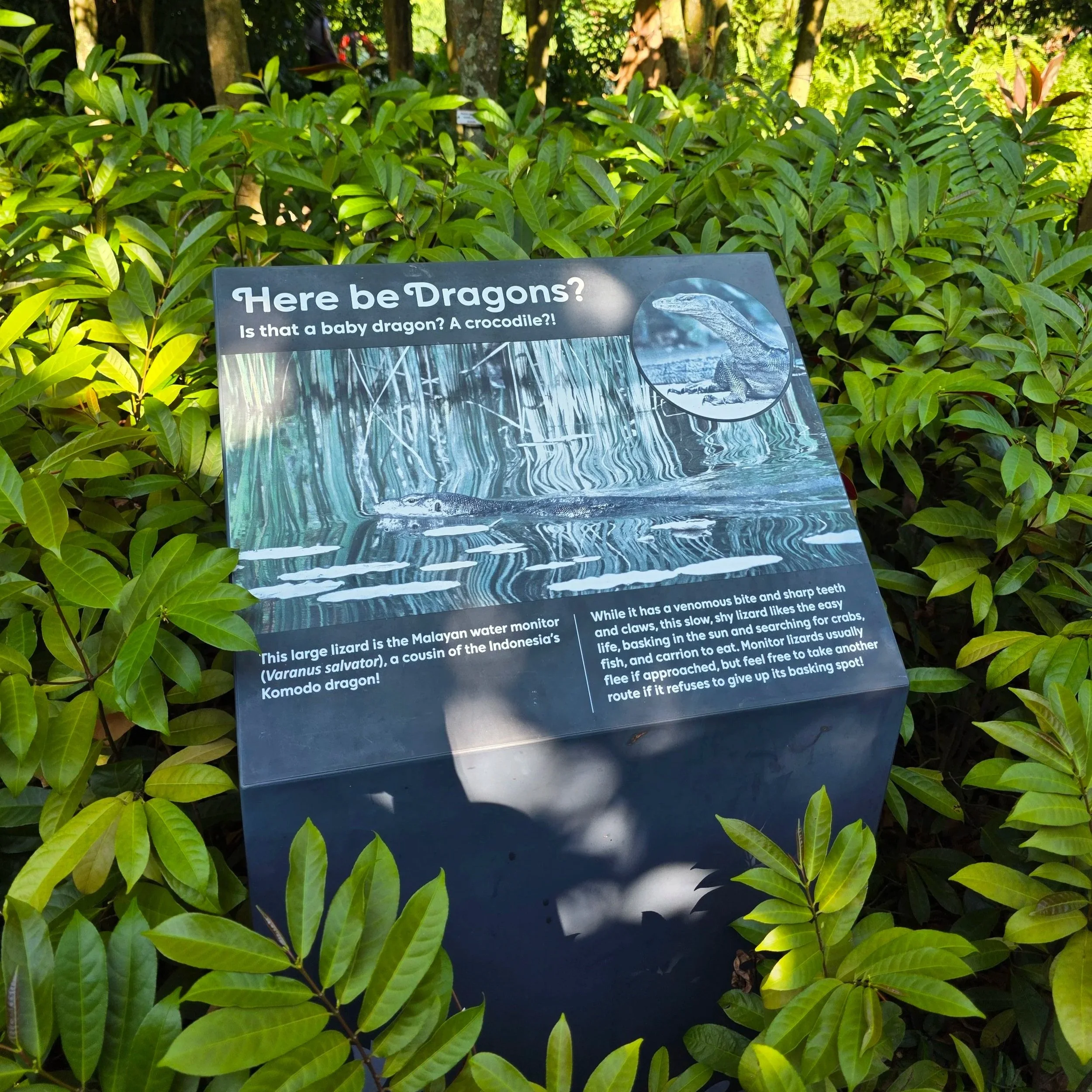
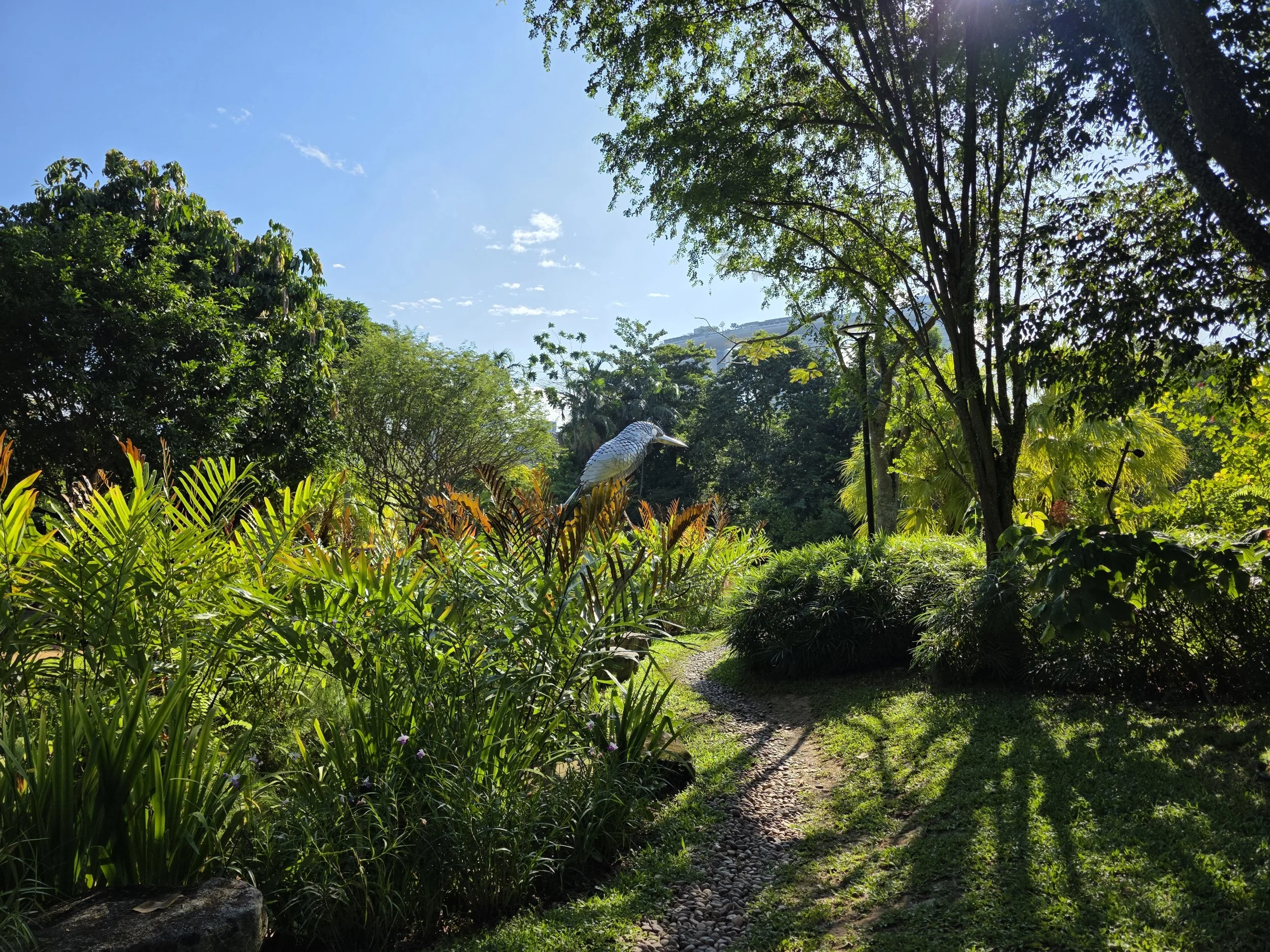
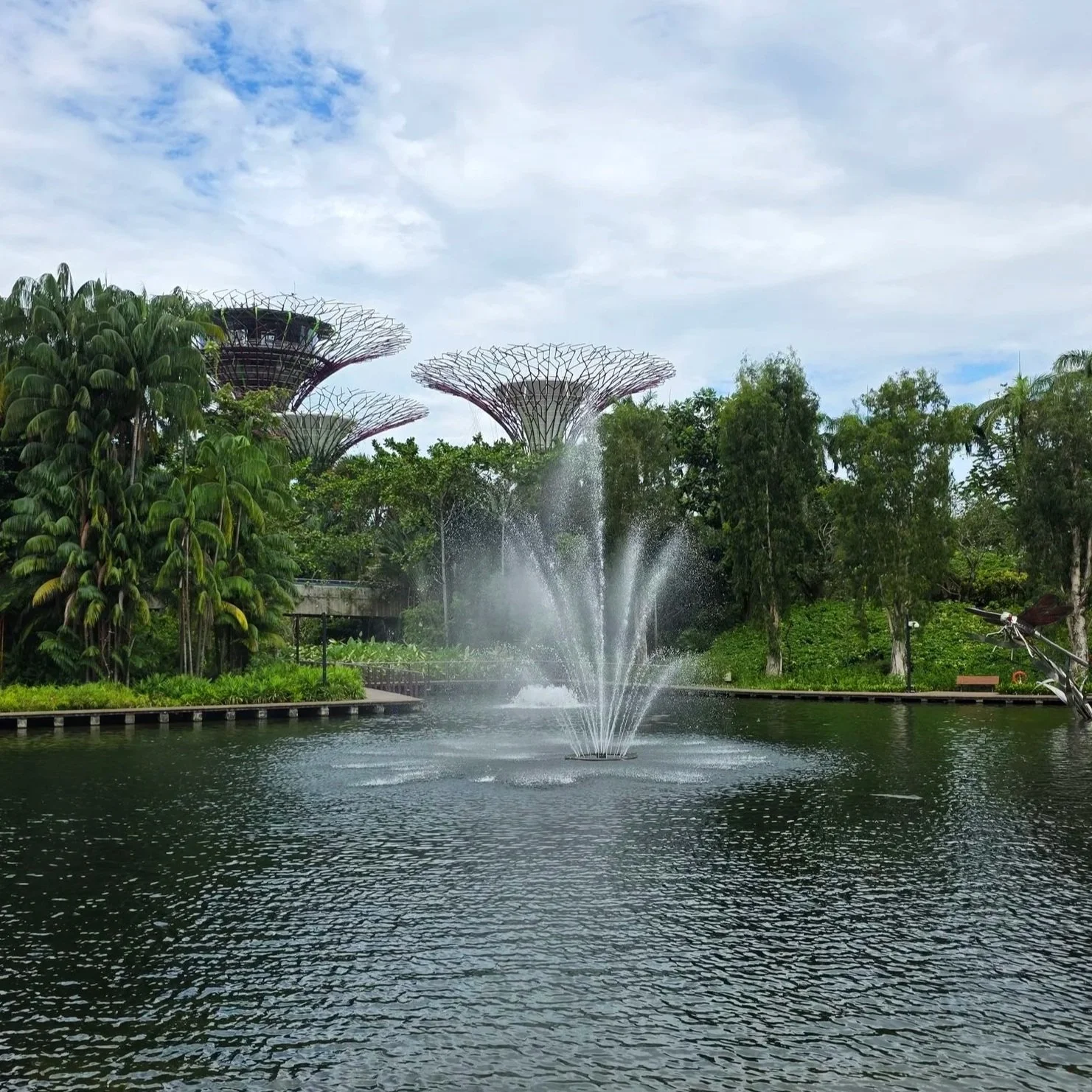
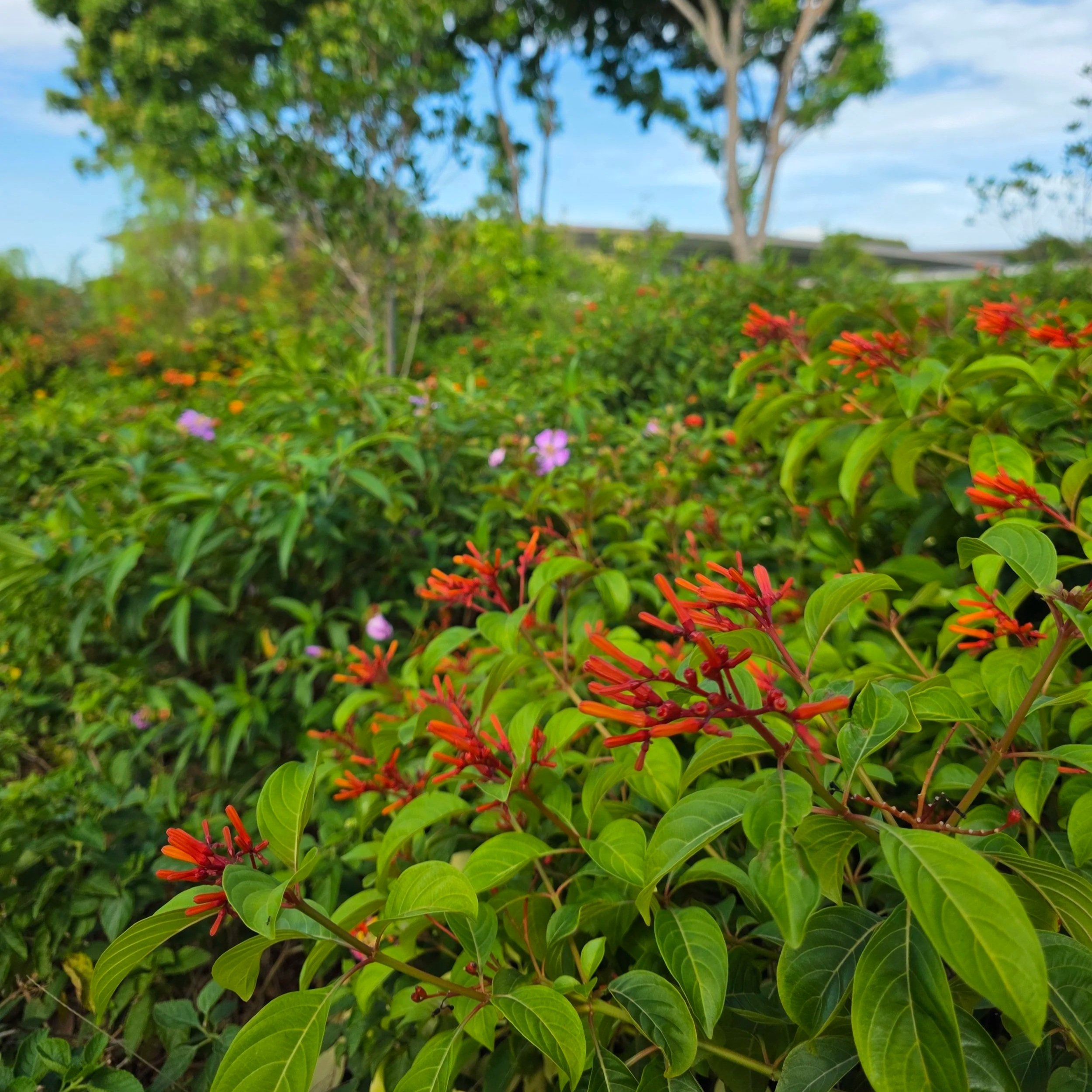
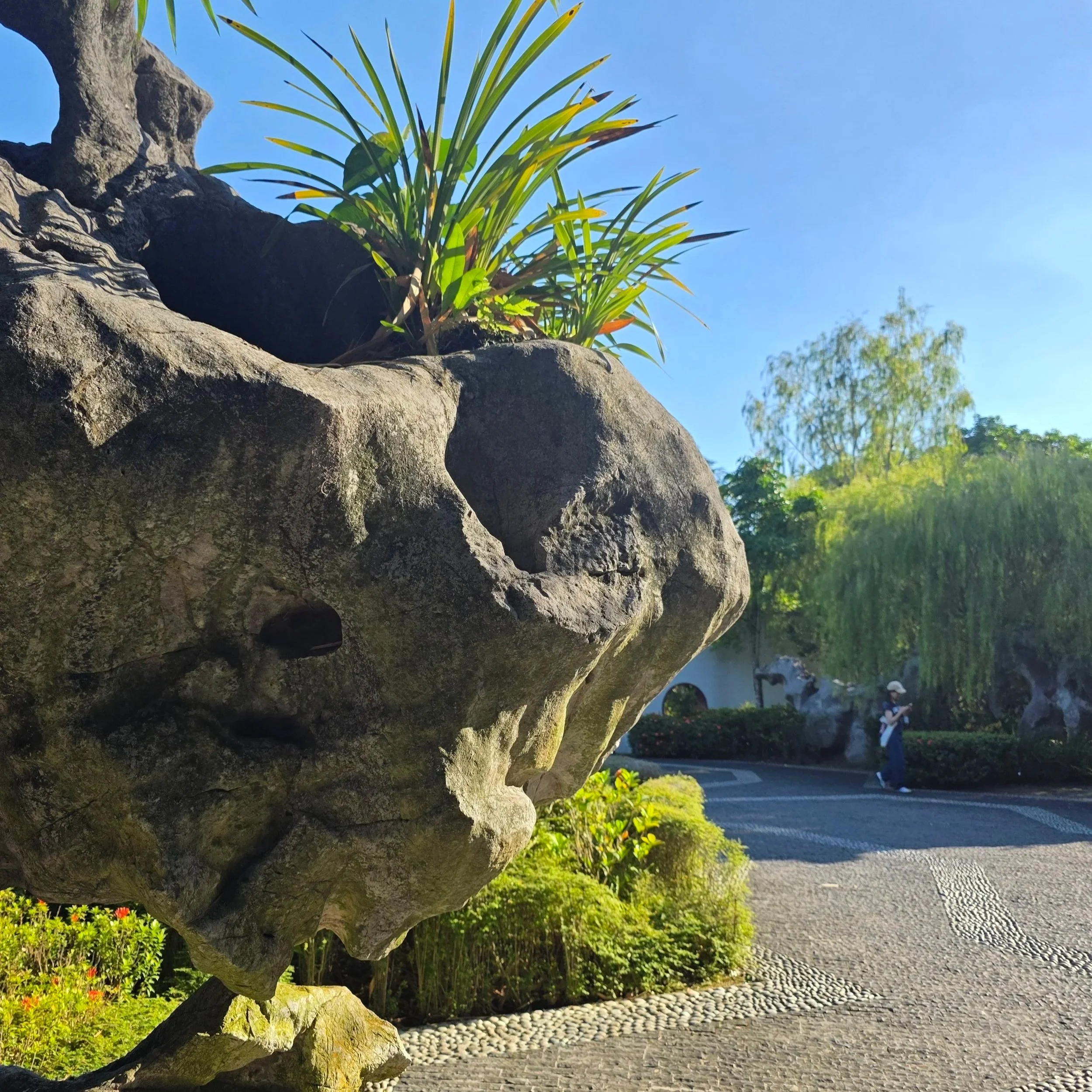
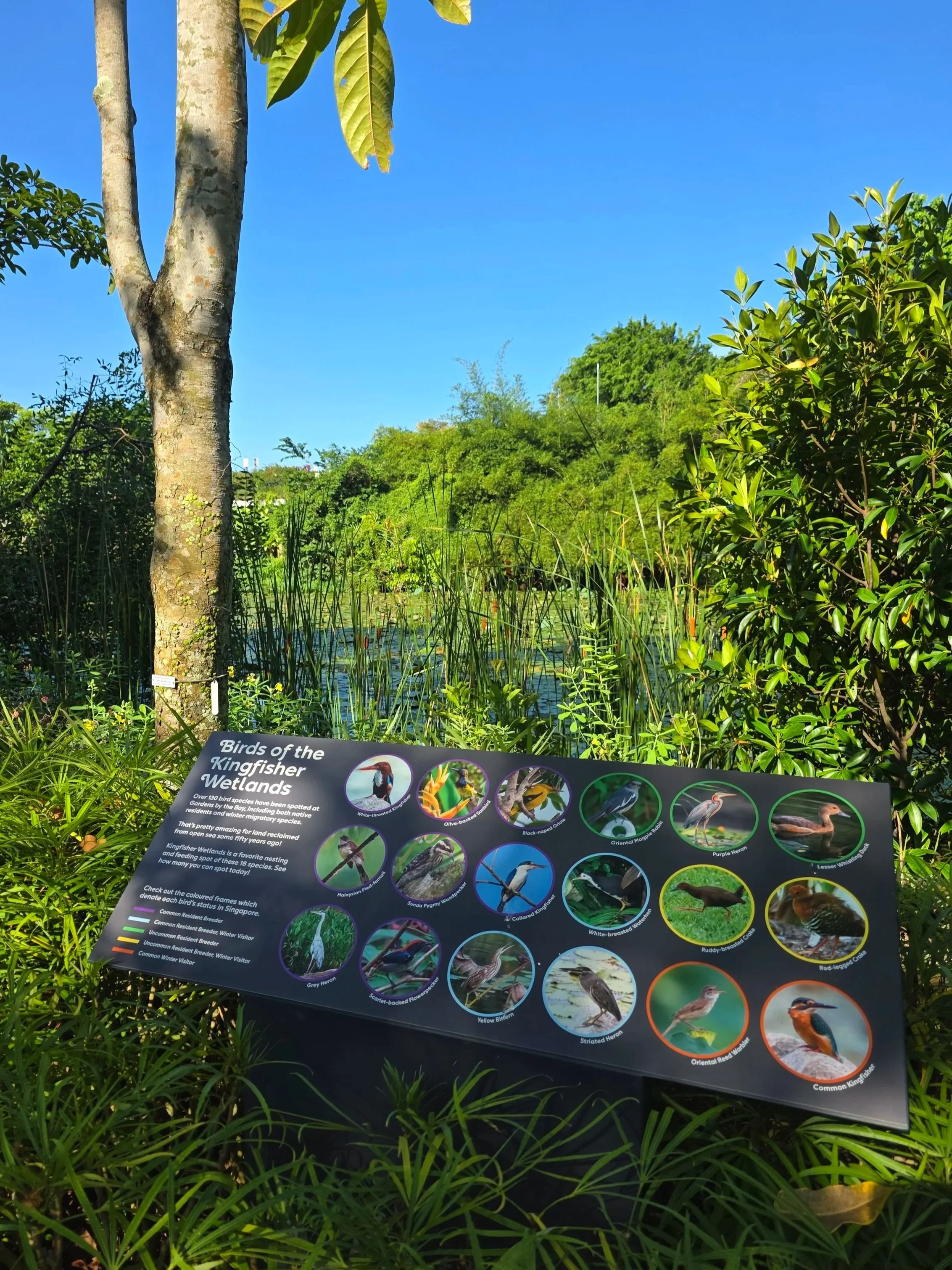
What I hadn't expected was quite how much exists beyond the Supertrees and the Cloud Forest. Expansive gardens, wildlife habitats, walking trails, bike paths – you could spend days here and not discover everything. I didn't make it into the Cloud Forest this time (a semi-deliberate omission, because I want to save something for next time - it gives me an excuse to return).
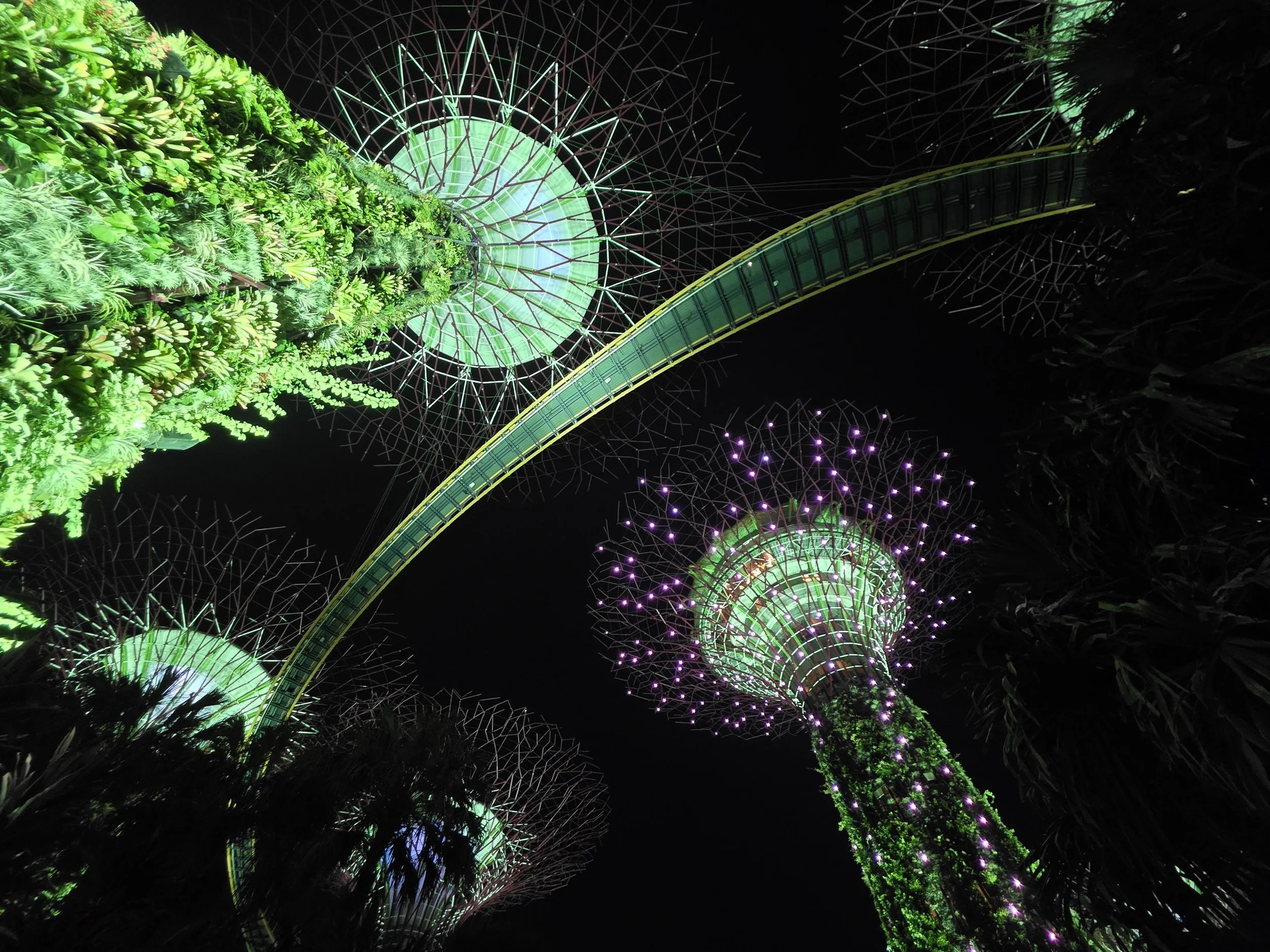
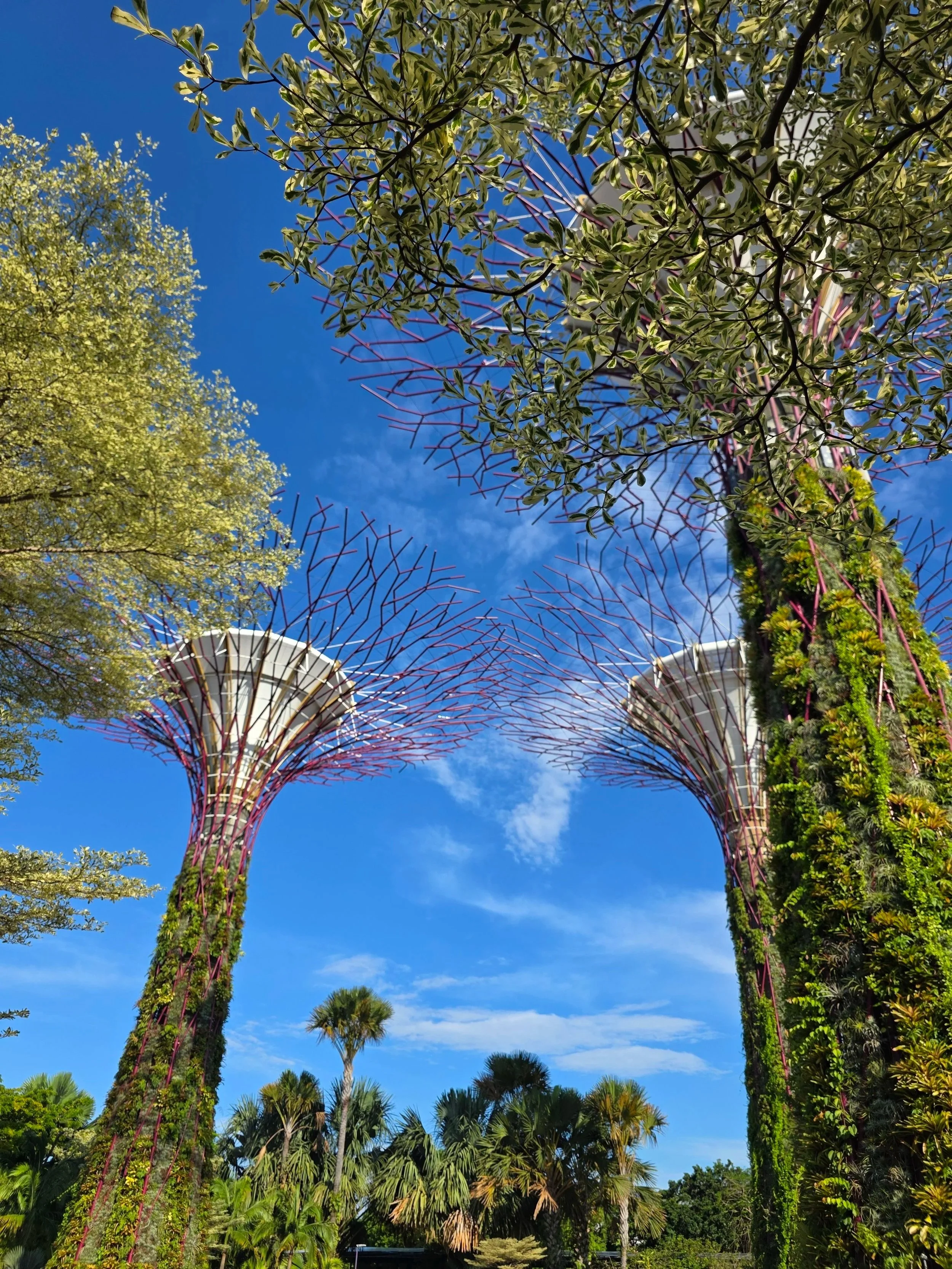
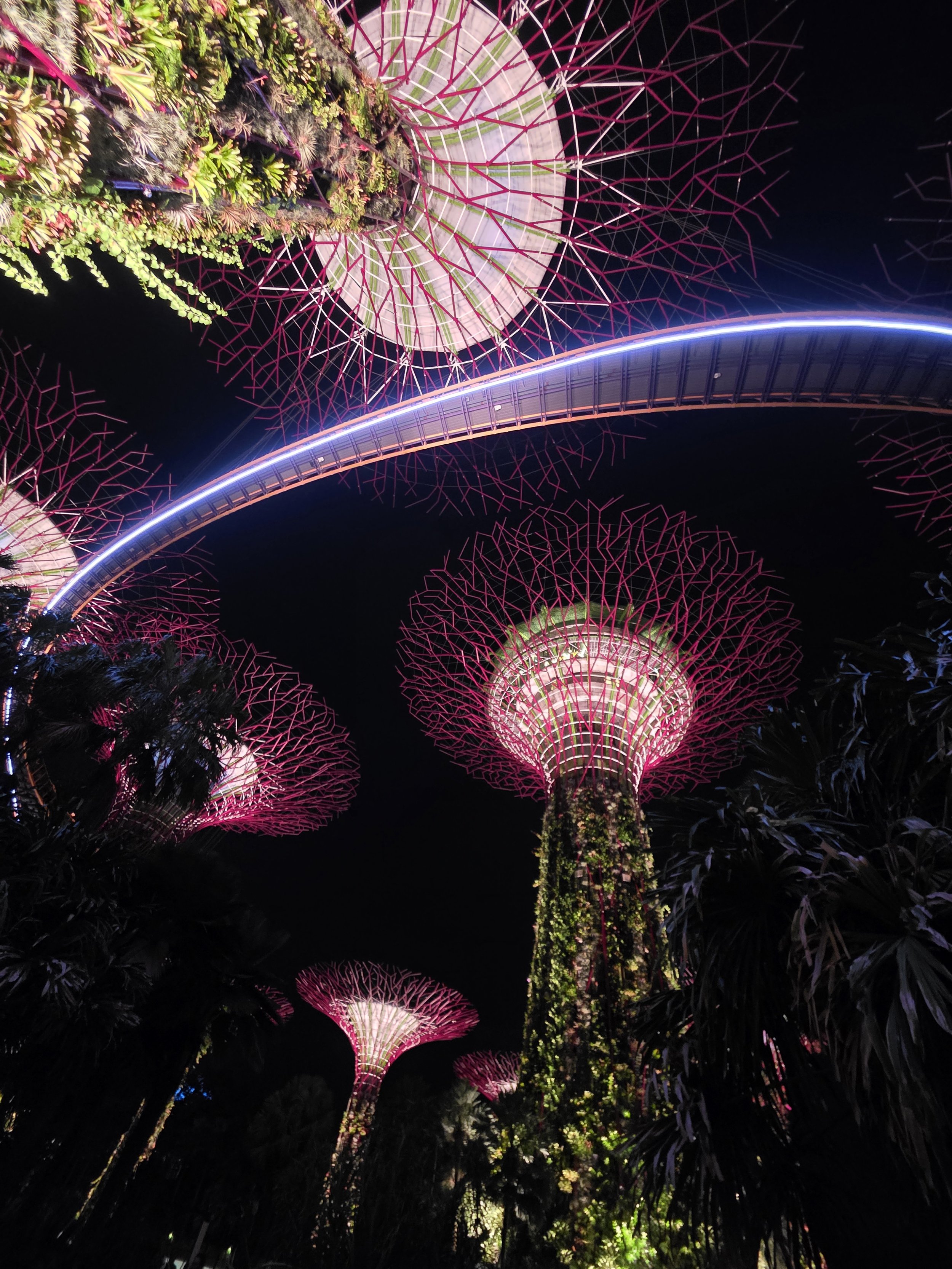
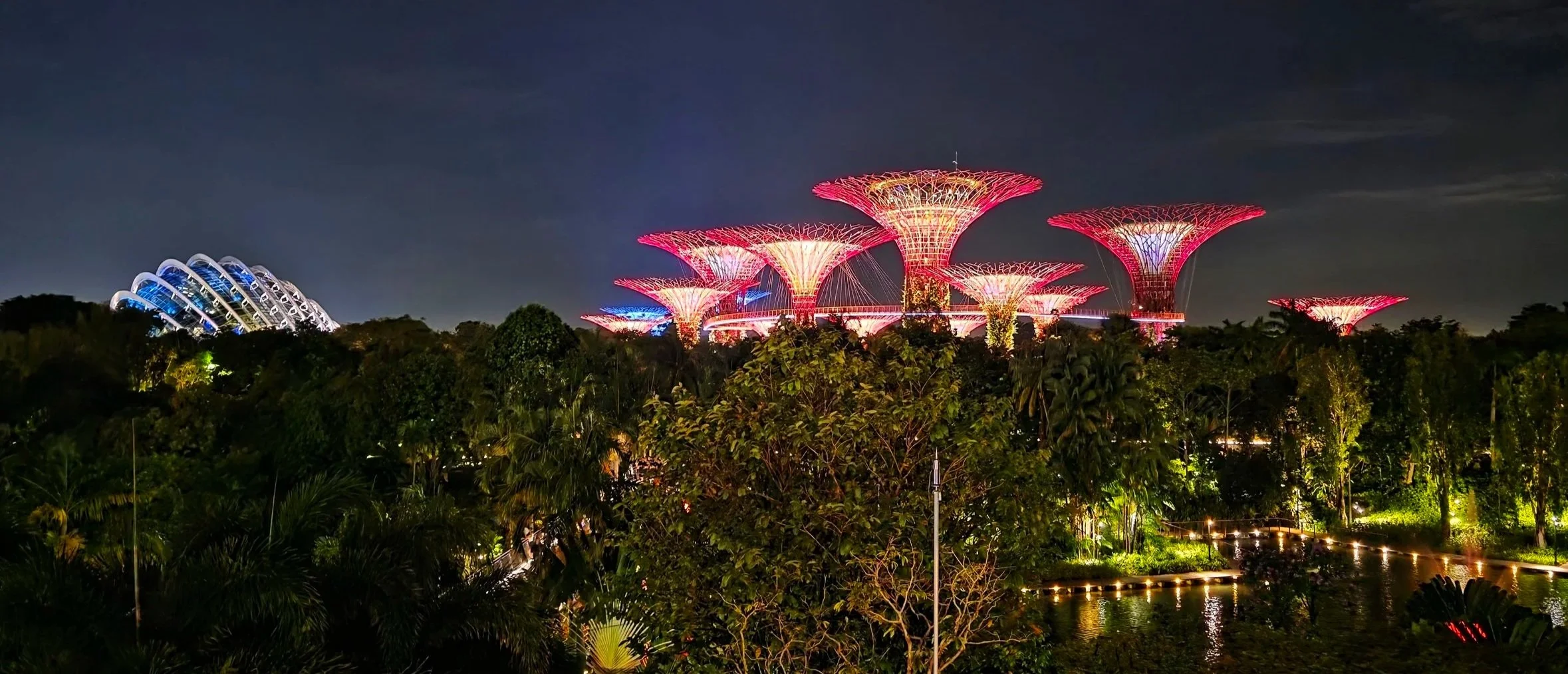
You can see the Supertrees from across the city, rising against the skyline like something from a science fiction novel. And yet, up close, they feel so organic - clad in living plants, ferns and bright flowering climbers. After dark, they sing with light and colour during the nightly light show, which is really pretty fabulous.
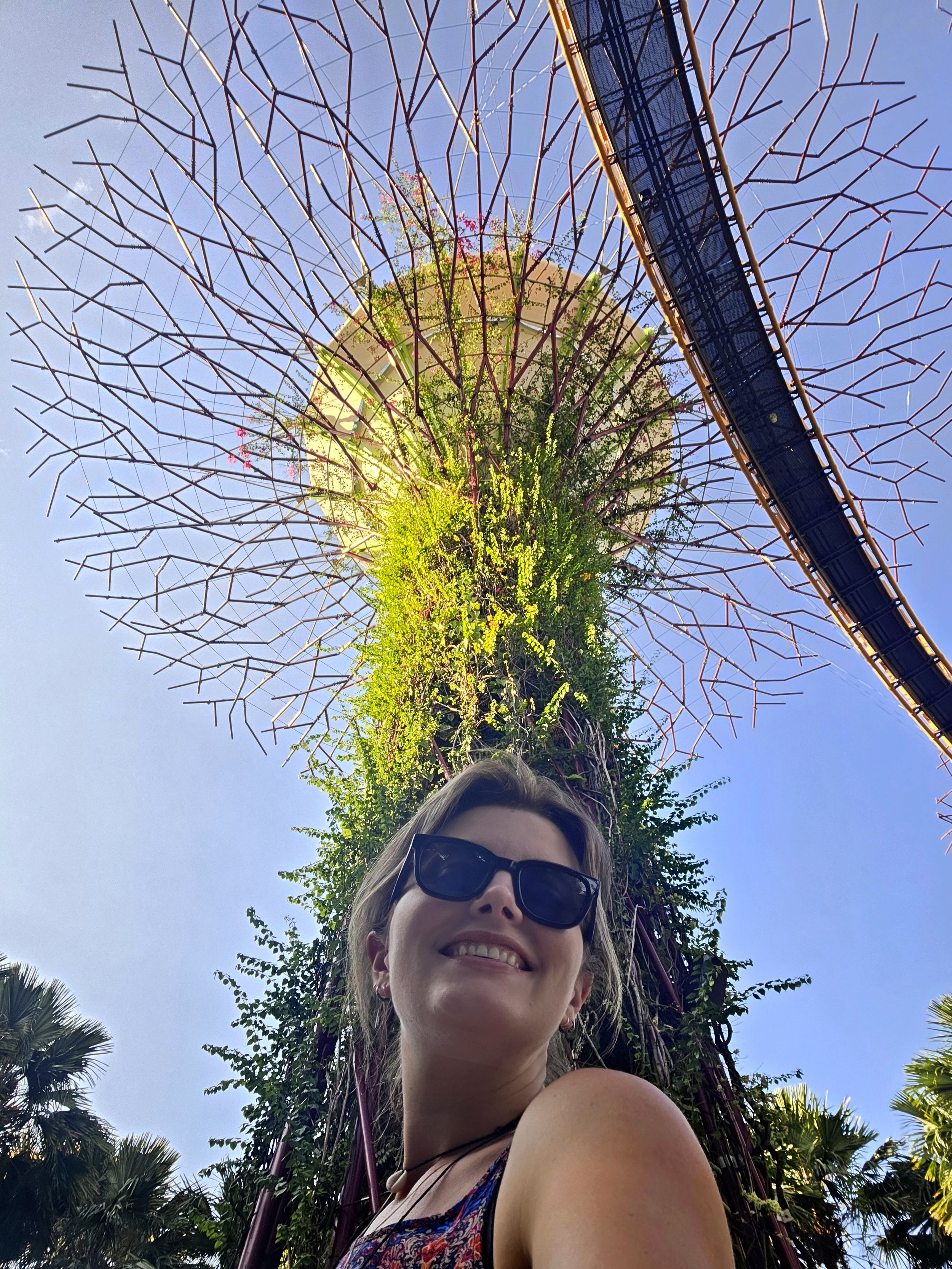
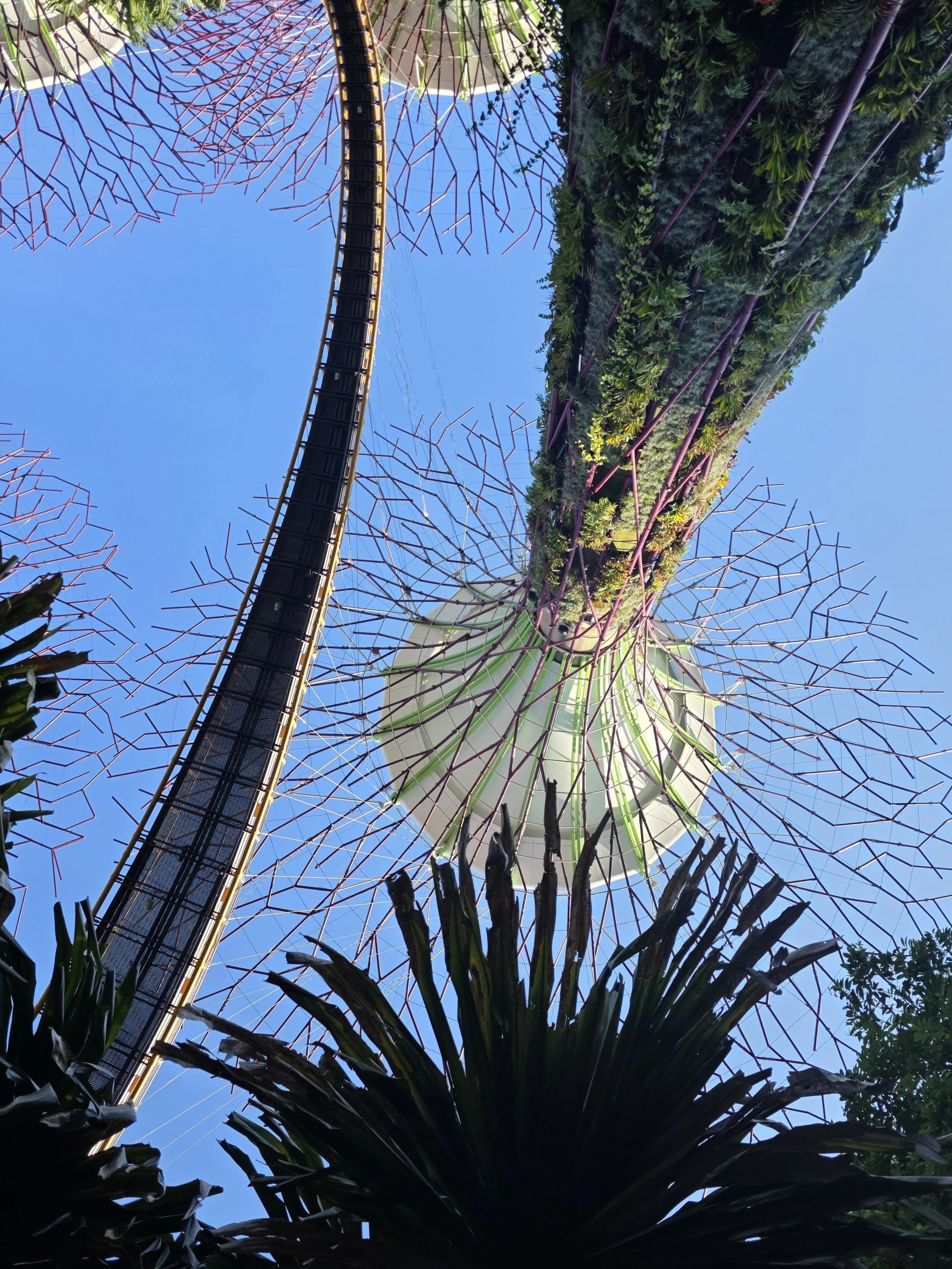
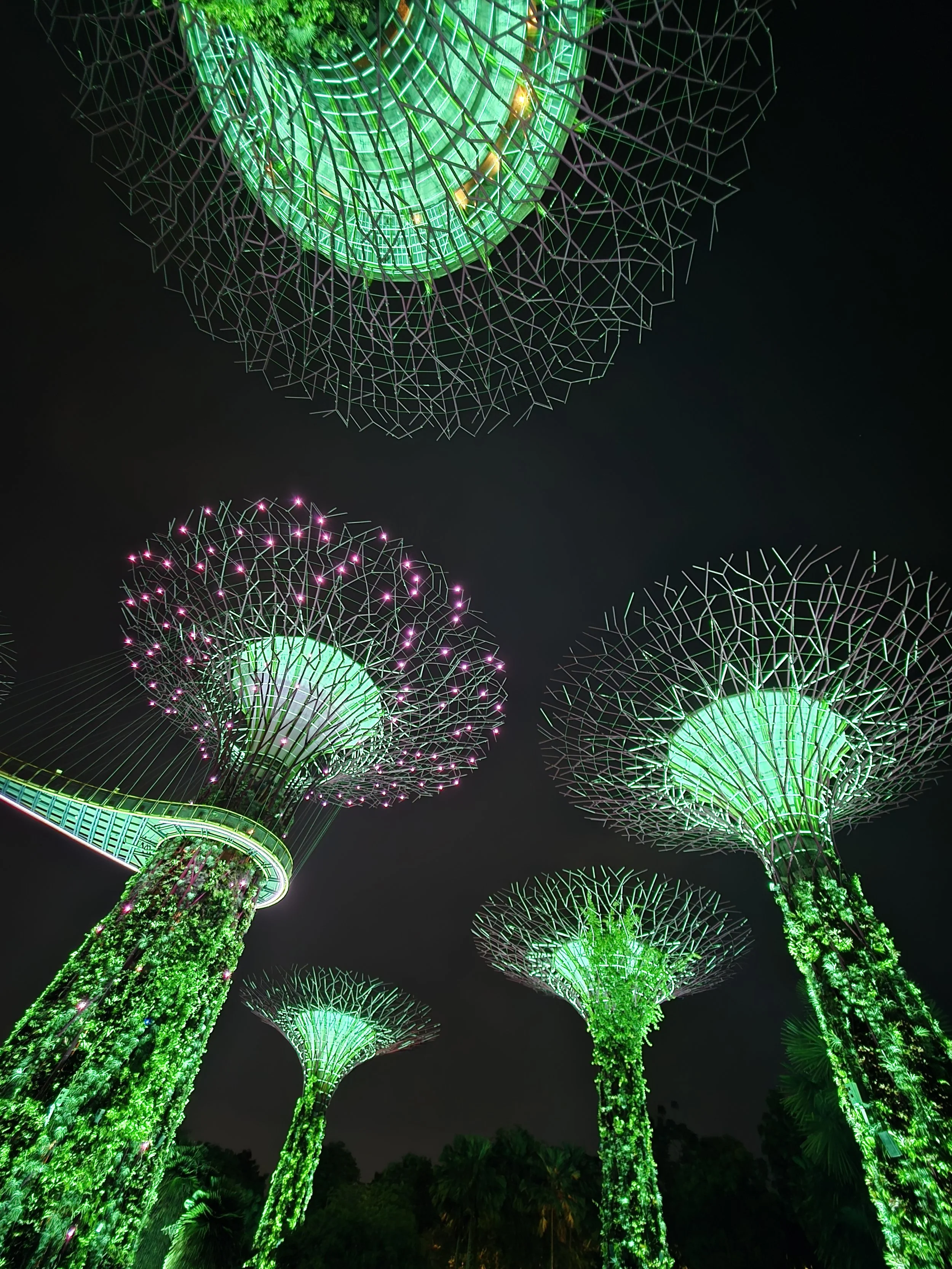
But these structures aren't just aesthetic.
The Supertrees harvest solar energy, channel rainwater, and serve as air exhaust outlets for the climate-controlled conservatories. Sustainability is baked into the architecture, not an afterthought. Nature and engineering appear woven together so completely that it becomes hard to tell where biology ends and the mechanics begin.
A few things that stood out to me:
How much there is still to explore. There is just so much outside of those iconic well-known structures.
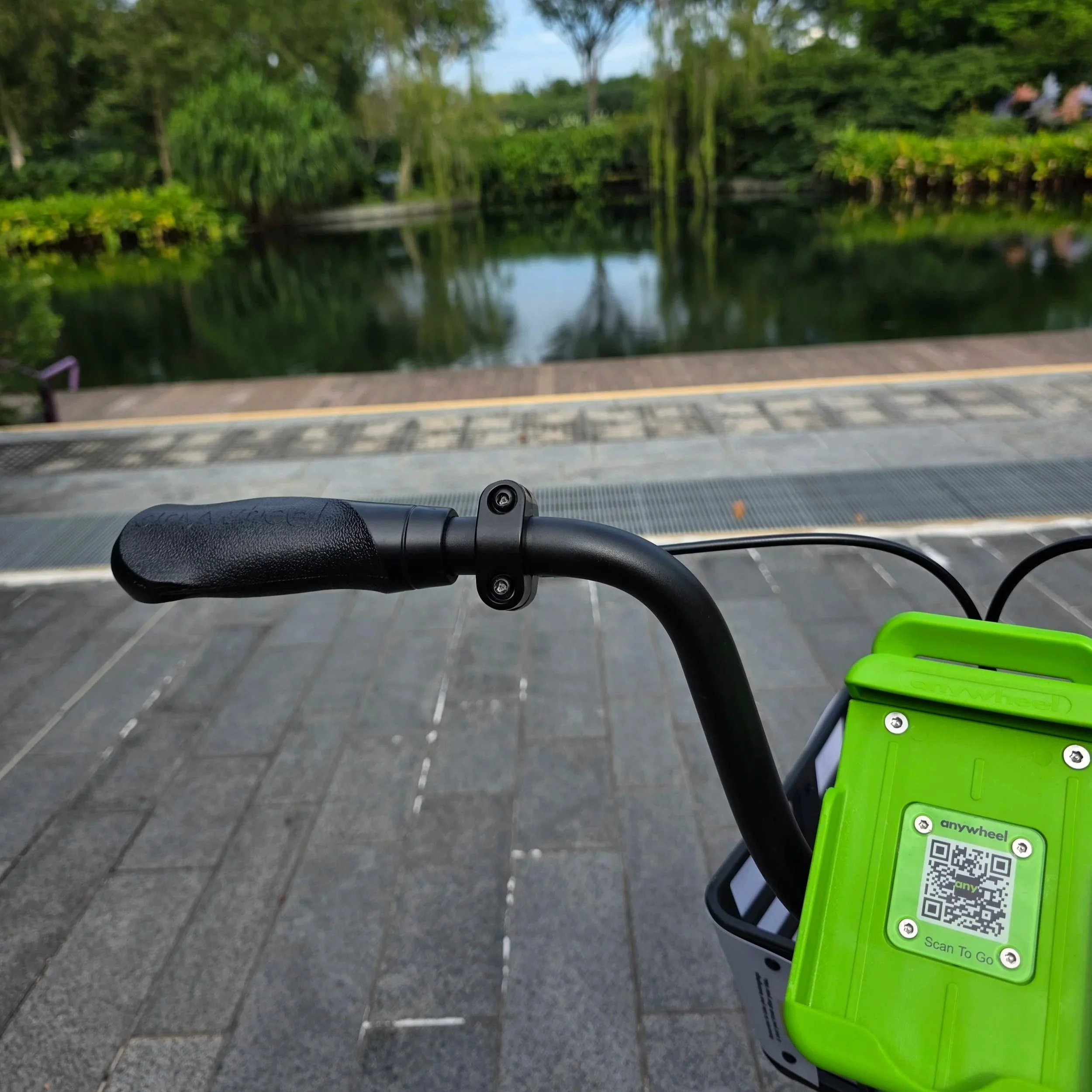
The pedestrian paths. Much of the network is bike-free - and it makes a real difference. There are plenty of cycling routes and bikes to easily hire, but keeping fast-moving wheels off the quieter footpaths means you can actually slow down and look around without dodging cyclists.
The Supertrees at night. The light show is free, nightly, and is very much worth arriving early for. Then find a spot on the ground, lie down and look up. One of those experiences that's difficult to explain, but easy to remember.
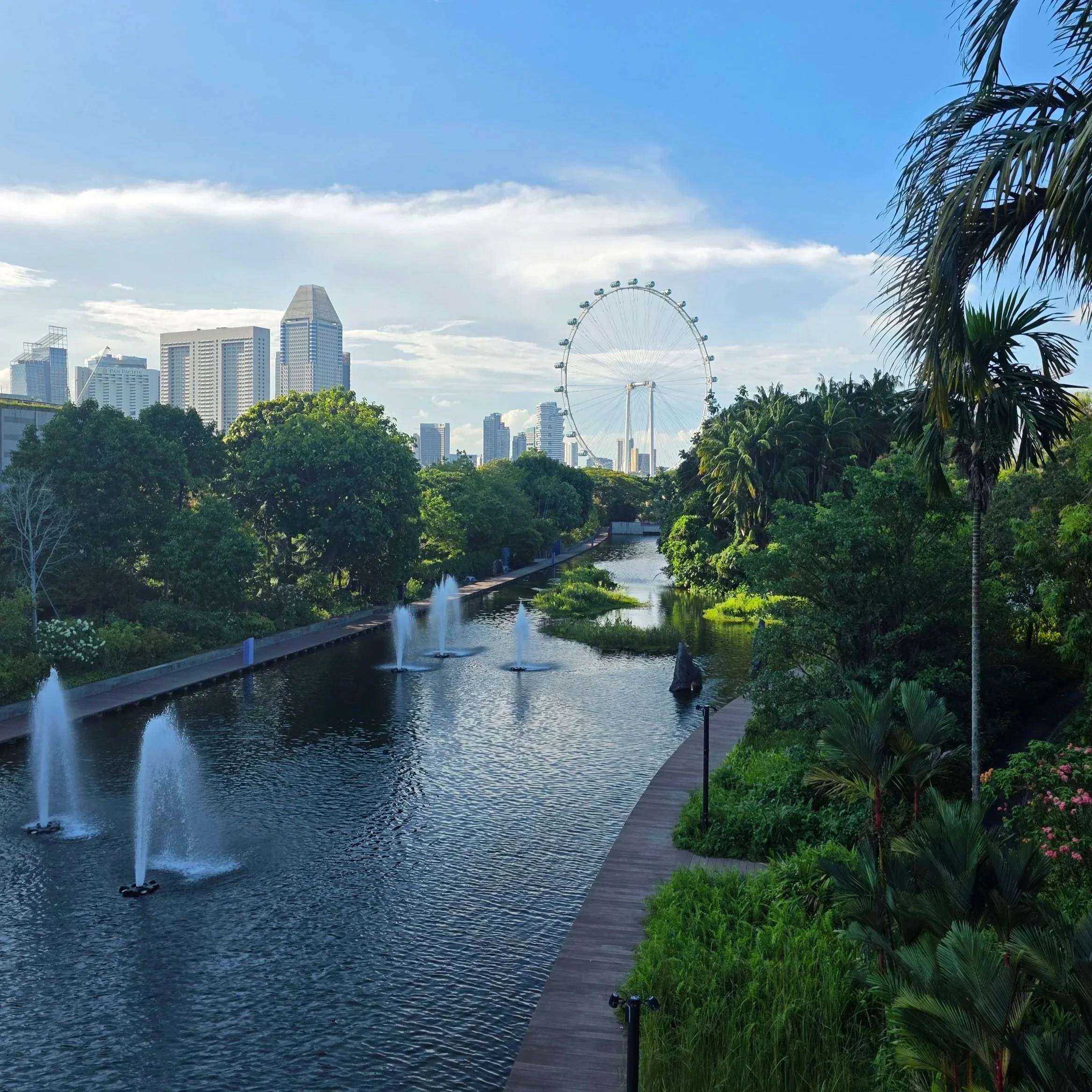
The connections outward. It links seamlessly to the Marina Bay waterfront promenade, other sites, and the broader city. It never really feels like an island you have to make a special trip to - it just flows into the rest of Singapore.
A space for everyone. Families, elderly couples, solo travellers, school groups, joggers. It is genuinely and effortlessly inclusive.
Why it feels like it matters – especially now
Singapore made a decision, decades ago, to take greenery seriously as urban policy. Not as an afterthought or as a planning checkbox, but as a defining feature of how the city would evolve and how its people would live.
Gardens by the Bay is perhaps the most visible expression of that commitment.
What it also illustrates is that genuine strategic vision is slow work. The results in my holiday snaps took decades of consistency to build - and that, more than anything, is the point. In a world that increasingly rewards immediate payoff, there's something countercultural about a city that simply held the line on a long-term idea until it became reality.
At a moment when cities, hospitals, campuses and communities everywhere are wrestling with how to adapt and build for resilience, there’s something quietly radical about somewhere that decided the answer was nature - then actually followed through.
The built environment and the natural world should not inherently be in competition. When people are bold enough to treat them as equal partners, they make each other extraordinary.
And if you ever find yourself in Singapore - visit.
Walk slowly. Look up. And stay for the light show.
The Loxie Perspective: Vision, clarity, the right strategy and a long term plan can turn a dream into reality.