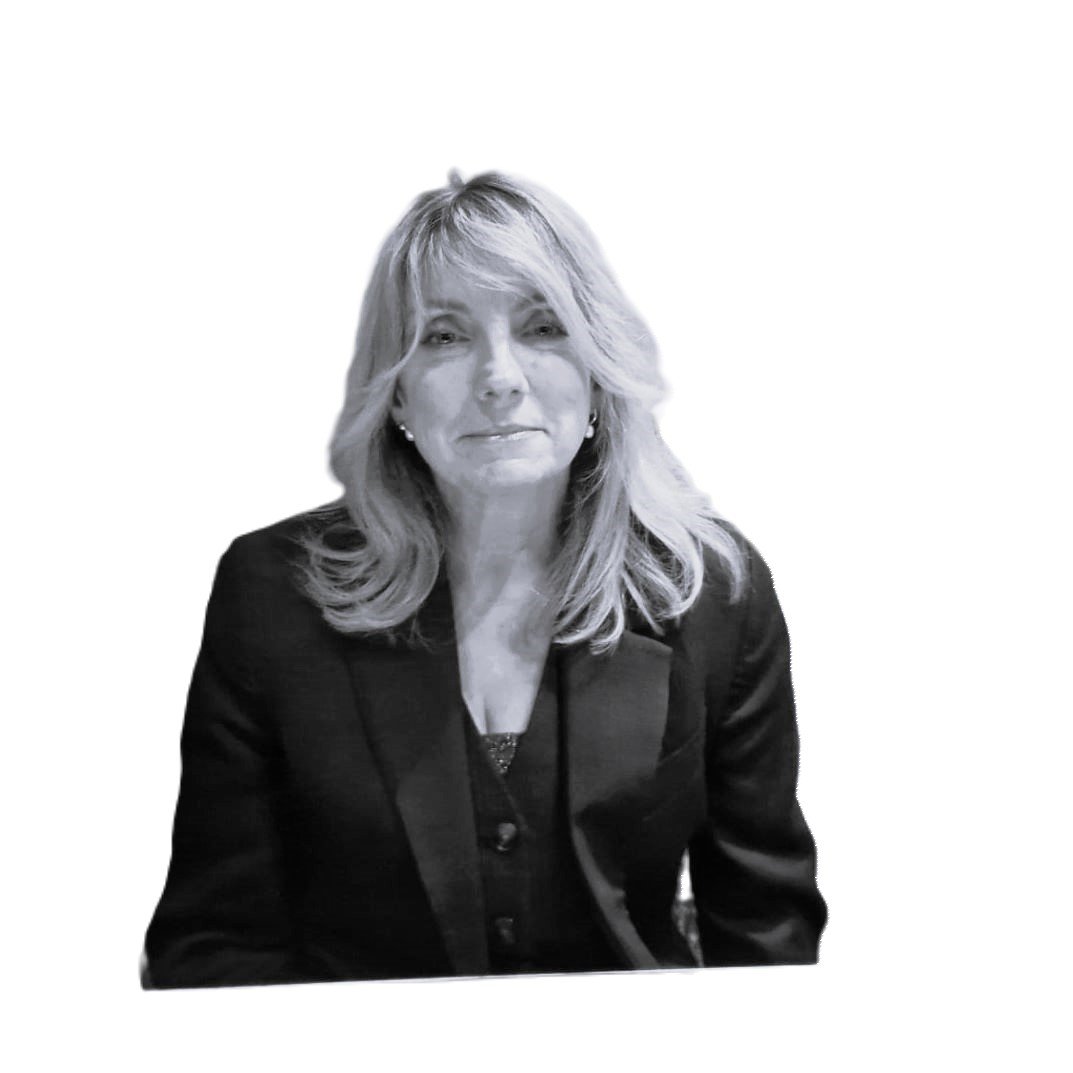
Director, Founder and Architect
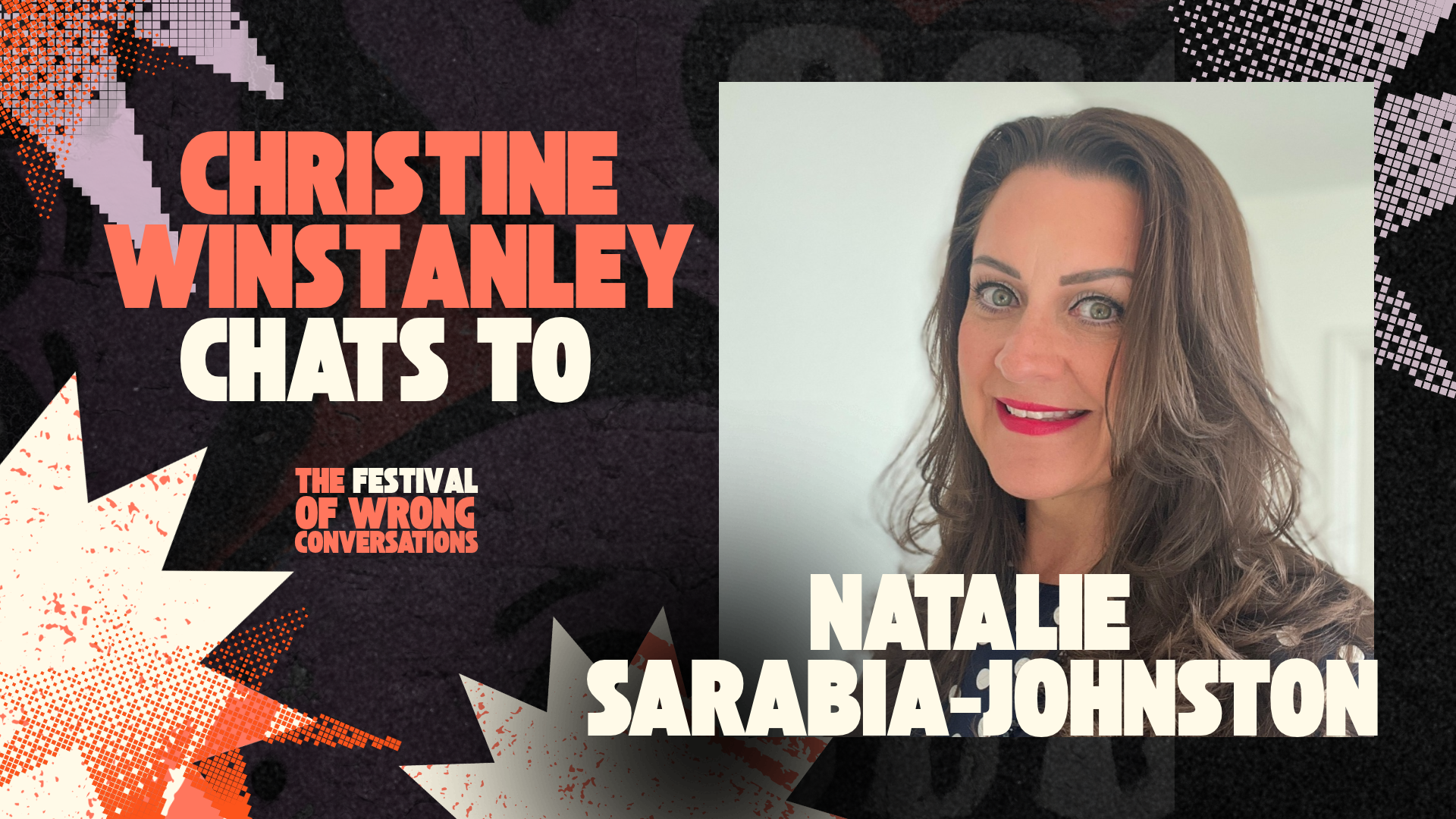
For this conversation, I was joined by Natalie Sarabia-Johnston from Southgate & Sarabia Architects Ltd. and Constructive Futures CIC.
We’ll explore architecture, pragmatism and human curiosity as a way of changing how we design health infrastructure. From the art of gentle persuasion to de-constructing work silos, Natalie outlines her approach to changing the status quo, (spoiler alert!), and it doesn't start with winning the argument, it starts by changing what people think is possible.
Her design proposition is simple - design places as if the people using them actually matter, and keep learning, stay passionate, and love what you do.
This is a great conversation, with loads of energy, so grab a coffee or a matcha and take a 5 minute break to reflect how things could change if we thought more about applying Natalie’s musings.
Enjoy!
The longer read
(Grab yourself a coffee)
Not enough time? Find a snapshot of our conversation here
Christine: Hello Natalie, and welcome to the Festival of Wrong Conversations.
Natalie: Excellent. Hello.
Christine: If you could please start by telling us who you are, and why does health infrastructure matter to you. And then in three honest words, what is it you do?
Natalie: Yeah. Thank you. So, I’m Natalie Sarabia-Johnston, and I am an architect. I run my own practice in Leeds and Manchester called Southgate Sarabia Architects, and I also run a CIC called Constructive Futures, which helps nurture our next generation and future leaders in the construction industry.
This conversation matters to me as we need to do things differently. We need to make a difference in the way, we as designers, work. We have a huge influence in the way we create spaces and environments, so we need to do things differently. So that's why I'm really pleased to be part of this Festival. I think it's amazing that Loxie wants to bring about change, and I want to know how I can help? I want to know how I can influence change? Whether that's through my day job or through my side projects – change starts with us all, and we can all do a little bit more to change the future.
Christine: That’s great Natalie – thank you, and we’re delighted you can join us on this journey.
Natalie: And my three honest words that describe what I do. I think I help people. I collaborate, and I design. I think those are the three words. Do you need a bit of an expansion on those words, or are you happy?
Christine: That’s great. If we leave it there, and we can tease everything out in the discussion.
Natalie: Okay. I would also like to say, that by helping people, I like to think that I’m finding solutions to people's problems. That can be anything from the day to day helping of somebody - whether it be a student trying to find their way in life, or them trying to understand what they might do when they leave school.
As a designer, I suppose it's finding solutions for everyday things, tasks, and issues. From master planning to the development of new communities; whether that’s in the physical or virtual world. And when I say communities, I mean that in its widest sense. It could mean a traditional type of community, or a community of neurodiverse students, or neurodiverse people who just need to find their voice, because they deserve to have a seat at the table and be heard.
How many times do we sit in meetings, or attend events, and that introverted person or that anxious person didn't say anything? It’s about giving everyone chance to have their say. That’s how I see life. Collaborating with people, bringing out the best in people, and putting a group of interesting people in a room - because they'll come up with the best solutions, and that’s what I love. Every day is a learning day. And I think that's what keeps you interesting.
Christine: I love that too. So, the key take aways are keep learning, stay passionate, and love what you do.
Great.
What does a healthy space mean to you?
Christine: So, moving on to the next question. What does a healthy space mean to you? And have you ever been in one”?
Natalie: For me, a healthy space is somewhere where I can be my absolute genuine self - the authentic me, surrounded by the people who love me and the people who care for me.
So, my healthy space, where I feel at home, is on holiday. I'm stood on the beach with my husband and my daughter, and I feel safe and relaxed. The sun, the sound of the waves, and just being in nature. That’s my healthy space. I like to get up in the morning and run. The sound of the waves; the peace and quiet; that half an hour of gathering your thoughts and just being free. Starting the day with the right mindset. That’s my healthy space.
And my physical healthy space would be going to the gym with my friends. For me it doesn’t really matter what the gym looks like. It’s being with my community, surrounded by the people who believe in me, championing me, and pushing me harder. As you get older you don't really expect to find new friends, but recently, my social life has never been so busy. So, a healthy space is being in an environment where you're surrounded by people who want the best for you, and you want the best for them.
Christine: That's great. Thank you.
What one thing should we stop doing today to improve health by 2040?
Christine: So, if we're going to build a genuinely healthy society by 2040, what's the one thing we must completely stop doing? Not something to reduce. We just need to stop doing it.
Natalie: I think we need to stop pushing junk food, energy drinks, and influencers who promote any old rubbish for clickbait. It’s just the worst thing.
If you look back at when we were kids, you had a packet of sweets once a week as a treat, if you were lucky. You didn't have all the additives and sugars. You didn't have the obesity pandemic that we have now. You walked everywhere, or you went on your bike. And sometimes, if you had 10p, you got the bus. I think we need to go back to basics. Let's stop being ‘influenced’ by people who have no idea of what they're talking about. It’s dangerous. We’re pumping our bodies full of manufactured energy, which is impacting our mental and physical health. Going back to basics would help the NHS, and just by cutting that out, people would be healthier.
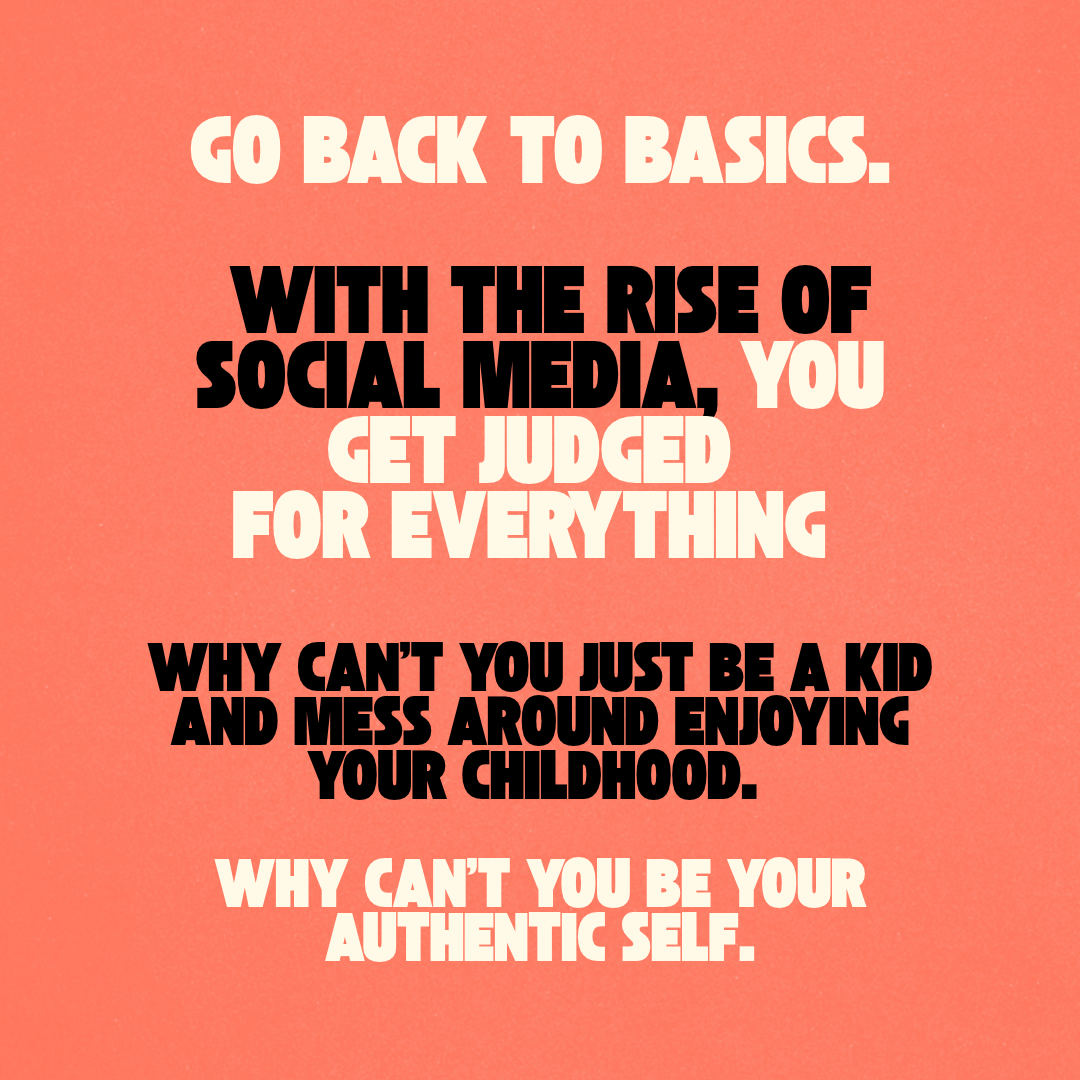
Christine: When you were articulating all the things that we're doing as a society that’s harming our health, you said we need to go back to basics. So, what are the basics we need to go back to from your perspective?
Natalie: It’s eating whole foods. It’s walking - doing your steps. It’s interaction - socialising with other people. Young people today, often lack social skills. They don’t know how to act in certain environments, so that brings on social anxiety. They don't have the skills to go and find a job, so they're not meeting people. They’re lonely, then they become depressed, then that brings on anxiety. It's all linked. We had to force ourselves to go out and walk and meet people. We had to knock on the door to see if someone was in because not many people had a phone. Now, you just send a text message, and they'll maybe reply or not.
I tell my daughter, ‘You need to go and touch grass - you haven't been out today’ - that’s going back to basics. That's the fundamental of getting people interacting. There’s a lot of research around people who live longer and fight dementia. People need to get out and walk. It’s cognitive behaviour - if you don't use those skills, whether it's listening or talking skills, your brain will fade. It’s like going to the gym. You’re surrounded by people with a positive attitude. Whatever you put out in the world, you get back. So, by being a positive person, and surrounding yourself with positivity rather than doom scrolling – these are the basics.
On the flip side of this, if you get a negative algorithm, you're just going to be looking out for negative things. And one negative comment in that instance, will take nine positive comments to overturn it. So, it’s no wonder kids these days, or even lots of people, are suffering from anxiety and mental health issues. We weren’t aware of neurodiversity when we were young, which meant kids were labelled as bad, naughty, or troublesome; or they didn’t know how to read or write. But we didn’t understand about ADHD, dyslexia or autism – but we do now, so we should be putting the tools in place to help these people.
It’s only in the last five or six years, I’ve realised I probably have ADHD/autism because it’s been diagnosed in my family, so lots of things now make sense to me. But by doing exercise, by getting my endorphins and doing all the things that stop me from eating rubbish, it makes me more proactive, it makes me work harder, and it makes me more efficient. Its health and exercise. Healthy eating has such a big impact on our lives.
Christine: So, Natalie, I'm hearing what you would stop doing loud and clear. Get rid of all the junk food and start eating healthy, nutritious foods!
Natalie: Yes.
If you could give someone outside the NHS a budget to do something with a space, who would you give it to, and what would you want them to do?
Christine: Great. Moving on, if you could hand a chunk of budget to someone completely outside the health system to do something with a space, who would you hand it to and what would you want them to do with it?
Natalie: I've been working with a couple of community groups. A Community artist and a community group called Highfields Adventure, who are phenomenal. Highfields Adventures’ space is designed a community youth centre, and it’s based in a very diverse are in Sheffield. It’s a space where all children are welcome up to the age of 18 or 21 for children with learning difficulties. They can come and be creative, get a hot meal, get assistance with their homework, use a computer to fill out forms etc. and learn how to look after themselves. Some of these children who use this space come from diverse and socially deprived background, where they don’t have the everyday essentials in life. Some of these kids may be looking after family members; they may be the only English-speaking person in their family. This space is important as it gives them time back to learn and reflect, which is important for children. For some Children art is a way of expressing themselves and unless you do art at GCSE, it doesn’t appear on the curriculum anymore, so kids have nowhere to express themselves. I'm very passionate about working with artists or community groups, so if we could give these types of organisations a sum of money, so these kids could be taught about nutrition, health eating and healthy habits, and be able to cook, or express themselves, that would be great. So, if they're feeling angry, they can express themselves through art, rather than going out and causing trouble. It's giving people that opportunity to express themselves.
Again, going back to basics. I think with the rise of social media, you don't have the same areas or opportunities to create any outputs. You're taught to look a certain way or be influenced about what you can and cannot do - you get judged for everything you do. Why can't you just be a kid and mess around enjoying your childhood. Why can’t you be your authentic self, even if you have autism or ADHD, or you’re just loud. I think some of these community groups go a long way to supporting these types of people, in a safe environment and where they have a community, they can meet other like-minded people and talk. Not everybody's fortunate enough to have a mother and/or a father at home who invest in their kids' futures, so a lot of these community groups step up for families who don't have the same opportunities.
This is what we do within Constructive Futures. So, for example, if you have two CV’s for a job, and one is from a neuro typical child, and the other is from a child with autism. They both go to interview and the neuro typical kid is all bubbly and great, but the autistic child, whose anxiety is through the roof, is thinking “oh my god, I have got to speak to a stranger. If we can mentor them, if we can practice the interview, the tips and techniques, if we can invest the time and money so they have the same opportunities and start in life, they can walk into an interview and be as confident as a neuro typical kid.
And that change is borne out of doing different events, pushing themselves out of their comfort zone. So, they're not sat in the bedroom by themselves just watching tv or playing computer games. They've got to make friends. They've got to be in that environment learning social skills. So, when they go out into the working world, it's not as scary or as daunting as it would have been. I think covid played a huge part in the rise in anxiety, and we are finding 16 – 19 years olds had the biggest impact. Some kids can’t even get on a bus they are that anxious.
Christine: It's interesting because you're in touch with young people and I don't really have any contact with that age group either in the workplace, or at home, as my son is much older, but what’s coming out for me is, we’ve created this great technology but actually lost the space for connection and socialisation. The space that used to allow us to transition from the world of education into the world of work and adulthood is no longer there?
Natalie: Absolutely, and we'll go into a school or a college before we do an event and sit with a cohort of students, and they’ll all be sat there with their hoods up, starring at us. We’ll introduce ourselves and say, ‘Hi, we're here from Constructive Futures’ and you can see them thinking ‘Oh God, take me out of this environment’. So, our approach is to take them to a commercial space instead.
We did an event with a local college and took them to a commercial interior fit out company. It was brilliant. It had amazing desks, furniture and soft seating and we put on a whole day event. The students were totally different because they were taken out of their normal environment. We treated them like the adults they are, and you could see them realising “it’s actually down to me. I’ve got to make the difference. I need to change”
But not everybody's given that opportunity. So, it's how are we going to get our future workforce ready for work when some kids are super clever, but they've got no idea because they've not got the social skills, or they are really anxious, and that’s real for that person, so how do we help them through that? how do we help them manage that process so that they’re in a strong place to say “I’m comfortable going into the workforce?”
We asked the question, ‘how many people answer their phones?’ and in a group of 45 kids, only 1 guy put his hand up. We also asked, ‘who's got a part-time job?’ There was maybe a handful who put their hands up. And the guy who said he’d answer the phone said ‘I ring people who are lonely’. He was the stood out of all the kids; he was the one that was different – you could just tell. And that’s what we need, more normalisation, more just doing standard stuff. It's not all about being an influencer. I think we've just got to go back to basics in everything.
Christine: I'd just like to touch on a point you mentioned where you talked about getting young people out of the college environment and into a commercial environment.
So, do you think there's a space between the connection of commercial business and how they interface with young people.
Natalie: Totally. I also think young people get a bad press and from an architectural perspective or even a consultancy or construction perspective. We will get young people to come into the industry, and we’ll sit them in the office, churning through stuff – and then they’ll reach Associate level, and we say, ‘Right, you need to go out and win work’. They’ll go to speak to people, and that is the worst thing we could ever do to them. Instead, we should say “go out and meet people because you are our future”
I'm at an age where a lot of my peers are slightly older or around my age, but they're retiring. So, it's the young ones who are coming up. For example, a new director of estates is a 30 or 40 year old. So, my future clients are young people. What we need to do is get our young people to connect with the other young people, because they're relevant and they'll grow together. I remember I did it. It used to be called ‘team building’ back in the day in the 2000s.
I’ve taught at university for many years, and there’s nothing better than sitting with a young student whose got loads of ideas, but they’ve not got a clue how to implement them. You come together and that’s where the magic happens. You get their perspective on life, and they know how to reach people. Through social media, Tik Tok, Instagram, Linked In. If you want a marketing strategy, give it to the young person, because they are the reach. They can reach everybody because they know what people want, what attracts new business. I think that is the future. I think we need that link to cascade the skills of us, the older generation with all our experience.
I think I started off by saying every day is a learning day for me, and the best days I have is when I have that collaboration with a young person. When you think ‘oh my god, that's amazing’, but they haven't got a clue how to implement it, and you know that's where the collaboration is – that’s where the magic happens.
Christine: Fantastic. Thank you - we all need to get ourselves some young people. Moving on to my next question.
What type of diverse thinking do we need in design teams?
Christine: Design teams are made up of traditional professions such as architects, engineers, QSs. If you could make one addition to your team to create a greater impact with the work you do, who would it be and why?
Natalie: It would be a young person. Definitely. To give them a voice, to get them to buy into a project, and it would probably be a local young person.
We did a scheme in Rawtenstall and got some of the local kids involved. When we went out the groundworkers were doing the planting and the kids wanted to get involved, so they showed them what to do and what was involved. Because they bought into that, they're more likely to respect the plants rather than trashing them.
But I also think its diversity too. We need to understand that specific community and work with the people who represent it. We are part of that team, and we need people who represent it.
So, if we're working in Oldham or Preston, we need to be working with that community to understand their wants and needs. We are generally white, middle class, and older. You can’t understand a community's values from the outside; you have to collaborate with people who share that lived experience. Having had family who championed my ambitions despite growing up with very little, I want to use my platform now to be that cheerleader for others - and make sure people see more and more visible role models from their own cultures.
How would you redesign the relationship between an NHS Trust and the streets around it?
Christine: Thank you. So, if you could redesign the relationship between an NHS trust and the streets around it, its buildings, where would you start and what would you do instead?
Natalie: I'd put a hospital in amongst green with trees and nature.
My biggest thing about hospitals and doctor's surgeries is anxiety. There's nothing worse than having to go, or take someone to a hospital appointment and be thinking, ‘Oh my god, where am I going to park?’ So let's build a 10-story multi-story car park under the hospital or put the infrastructure there so you can get a bus and a drop off/taxi rank.
I had a friend who was going through chemotherapy at Jimmy’s, and the car park is a long way away. If you walk the wrong way it's a 15-minute walk, so the anxiety of getting parked is huge. So, for me, it’s getting the arrival right. It's about being able to walk onto a hospital campus, have easy directions and the right signage, so you know exactly where you're going. Then, it's looking at your arrival space, and making sure it feels like home. My dad has Alzheimer’s so when he walks into an environment that feels like Costa Coffee, he’s sat in a waiting space which gives him a calm and consistent environment, not a feeling of ‘I don’t know where I am’.
I think a lot of design is premised on ‘we need a building, so we’ll plonk it here because we have space’, then you end up with a land locked estate that doesn’t have any direction whatsoever. It’s the same for schools. Sometimes you must look at the bigger picture to understand - how do we make this work? Sometimes it's taking cars off the campus - but then making sure you have clear directions by accommodating a car park or having access to a drop off. You have to make things legible and clear, so that people intuitively know where the front door is. This is the stuff I have talked about in the past. If you make things welcoming; create spaces where you can sit and work, spaces where you can sit with your laptop and feel that you belong, but then know where you’re going; how long it will take, and is there a toilet on the way – all this information takes away any anxiety created by the process. That’s what I’m looking at when I design spaces – making it more efficient for the people using it. Making it somewhere nice to sit, say with my mum and dad; and also, a space that I feel safe to leave them in if I need to nip somewhere else.
Christine: Okay, thank you. I think the pressure of hospital appointments is felt by everyone. It often takes so long to get an appointment, you’re terrified if you miss it.
Who should design hospitals and health centres?
Christine: Moving on to the next question. Should architects stop designing hospitals and health centres, and if so, who should design them instead and why?
Natalie: I think some architects should design hospitals, the reason being is we’re trained in space, form and light.
But what we shouldn't have, is cut and paste architecture. I think that is the worst type of architecture.
Just because you've designed a hospital in the past doesn't automatically make you a good architect in my opinion. If you've got someone who designs beautiful homes or commercial office spaces, or something else, it's always about each space being designed for its unique setting, its context and the people using it. It must be functional. So yes, you need an architect, and you need them to understand the technical notes etc. We should definitely not have one man band technicians who think they're architects, and likewise, architects who don't specialise in healthcare are probably the better architects because they design people-centric architecture. So, it's centered around people and each individual use. Just because you've done an oncology centre in Sheffield doesn't mean that that's fit for something in, say Chesterfield.
We did a health and well-being centre for Chesterfield Royal Hospital - we'd never design the same thing again because it's a different context. It's about the outlook, the views, and the relationship with the people using that facility in that specific place. It comes down to communities, doesn't it, and where that community happens to be. It’s working with everything, it should be bespoke. I'm not saying we need to reinvent the wheel every time, but it's about being appropriate for its context and it’s not just rubber stamping. ‘Oh, we've done that before’. Stamp, stamp, stamp.
I found that when I was doing a lot of the schools. I had friends who worked in an architectural practice who had never designed schools before, and then they were asked to design a building for Leeds College, although they were commercial architects. The building ended up being so cool because it was designed for the purpose rather than just cut and paste - we've done this before in Middlesborough, for example.
Christine: So, it's lazy architecture, that architects shouldn’t be allowed to design?
Natalie: It is.
And this comes back down to - before we put pen to paper, we should be looking at the vision. We should be looking at the master plan and asking ourselves, ‘what does this build mean here, not just now, but in the future’.
Unfortunately, the client will often say, ‘we want this sort of building, and we want it there’. And that's absolutely fine, that’ll be one solution, but let's look at the bigger picture. What does it mean if we put it there, do we hinder future expansion, future opportunities? And can we challenge your thinking? Have we got parts of the hospital which are underutilised?
Now, they might put forward a building, which isn’t the prettiest looking building, but is it fit for purpose and can we look at regenerating it, reduce your carbon and contribute to 2030? Do we actually have to build new? And in some circumstances, we have to because it’s the wrong size or shape , but think about some of the amazing mill buildings that have been converted – you can convert them into anything.
Good architecture is about problem solving. It's about thinking outside the box.
And that's what we need to do – think outside the box. We should never use cut and paste architecture.
Christine: That leads on to the next question nicely, and you may have already covered some of this.
Does standardisation lead to white elephants?
Christine: Architects often put forward blueprint concepts or schemes that they've done elsewhere - something that was well received at a certain point in time, but healthcare no longer needs - I’m thinking standardisation.
So, the question around this is - If we're building a hospital today that's going to last 50 years, what are we putting inside that hospital or that health space that we know will still be needed 5 - 10 years down the line, and are we designing a new generation of obsolesces?
Natalie: Yeah, I totally agree. Cut and paste architecture or the blueprint concept is just awful - it should be illegal. You should be struck off if you're doing that.
That's controversial, but it's true.
Don’t get me wrong, there’s a place for standardisation. If you design McDonald's or Costa drive-throughs - absolutely, cut and paste ‘til your heart's content.
That works if it’s branded, and it’s a proven concept, but I think in a hospital setting, the budget's different, your constraints are different, and there’s a lot of inputs that need to be controlled, which means a solution from somewhere else, isn’t necessarily the right solution.
I think, for me, it's looking at the utilisation of spaces and how we do things. I think the NHS still works in space silos, and I think as teams work more collaboratively together, we should question: Does every team need a meeting space? Does every team need a waiting area? With technology and AI apps you could have a waiting area with a café, or a relaxing coffee area with nice seating, broken up into quiet zones and different spaces, with a 3-minute walk to a toilet and a 4-minute walk to a smaller wating area. Then 10 minutes before your appointment you could receive a text and then walk calmly to the area where you are having your appointment or meeting.
We work in a managed office space, so we've got our own private, little office but then we've also got access to breakout space if we want a bigger team meeting. We can request a room with a larger table, or we can use a projector etc. If you have a suite of managed office spaces where you book, then multi-disciplinary teams can come together and also be surrounded by other different teams. This style of environment promotes collaboration as it provides an environment for people to talk and sometimes just say “hello”. If you're sat in your own little box and you never come out, you will never learn. So, I think, if we all collaborate differently, then new opportunities will come.
So, to answer the question, I think utilising spaces within hospitals, which are currently under-utilised, by facilitating areas that are almost like a managed office space. This would also provide other benefits too, to patients’ families.
I have a friend, whose wife was in hospital for a long period of time, but he still had to work. Between visiting times, he would have to go and sit in the car to do his work - and this went on for four years! If he could have booked a room, or even a little pod where he could do his calls, grab a coffee, and something decent to eat, instead of having to just buy crap cheese sandwiches, crisps or chocolate bars.
When I design spaces, or when I'm working with young people, I’m always thinking - How do they feel? What’s best for them? How can I make a difference? What we need to do, is not take the easy route because hard is hard for a reason – because it’s offers huge rewards.
I think if we think outside the box, if we do things differently, if we dare to stand up and put our head above the parapet and say ‘No, I don't agree with this,’ and challenge what the norm is, and actually say ‘we can do this better; we can do this differently,’ and let's just give it a try. Let’s listen to all these good ideas and find ways of innovating, doing things a little bit differently.
Christine: Just before we finish, and I'm really interested to hear your views on this because this is a tension that I see all the time, and you said quite a lot of interesting things – ‘we should challenge, hard is hard for a reason’, but when you’re working with a client like the NHS, who is often very fixed in their ideas, and they are commissioning you, they are paying you, how can we land that challenge better so it’s not seen as direct confrontation, and we have more chance of it being considered or adopted?
Natalie: Yeah, good point.
So, I think it's the art of gentle persuasion, or motivating people to think differently through understanding their needs more. Many years ago, I went on a course which was selling consultancy services and we focused a lot on asking questions. You’re not changing their minds, or trying to ‘sell’ something they don’t need; you’re opening their minds to different possibilities.
A good example of this is the Building Schools for the Future program in the North East. We had one headmaster who wanted to replicate what he already had, so our approach was to ask questions, such as ‘what do you need, have you thought of this?’. It's motivating them to see a different perspective. So by understanding and listening to them, that communication and perspective changes their thinking. I’m giving you all my trade secrets now, but that’s how I deal with it as I come from a practical perspective. Architecture is about design, and I am the designer so it’s up to me to set the rules, so if the rules are right, the outputs will be right because it’s all thought through – you’ve thought of everything upfront.
So, if I’m designing, and I’m setting the rules, I'll look at each space from different perspectives. Such as, a mother with a baby in a push chair. I'll look at it as a pregnant mother with shopping bags. I'll look at it as an older man walking with an older lady in a wheelchair. I'll look at it as two young children, to make sure it’s clear, legible, easy to follow and it feels right. I once designed a fantastic little facility for young adults with physical and mental disabilities to live independently. It was 2 units with six beds in each with a shared area for them to come together during the day if they wanted too. I looked at it through the lens of ‘What would I want for my brother or sister if it was them?’.
Just because we need certain hygiene specifications, it can still look like a boutique coffee shop, or a high end space. We should be designing spaces that we want to spend time in. You should be able to walk in, and it smell like a home or a hotel. We should be designing spaces that people want to go and visit – it should feel like home from home rather than evoking dread. That’s my approach and my perception.
We should be designing spaces so that everybody can use the space. So that when people visit it’s not a chore, it’s a pleasure, it’s a fun place, a place to be curious. When my daughter was growing up, maybe 5 or 6, we could go places and she could play and we could sit and talk – places that aren’t boring and maybe have a climbing frame.
Christine: I'm not sure we'd get a climbing frame in and old people’s home, but I understand what you’re saying. Think about a space working for everyone who uses it!
Natalie: I’ll give you a good example. Years ago, your grandma would be knitting, baking or whatever, but the big thing on Tik Tok and Instagram now is grandmas’ deadlifting 90kg or doing pullups.
I remember designing stuff for people who were 70, 80, 90-years-old and we were designing for the era of Elvis, cars, washing lines and phone boxes - memory lane stuff. But now you're going to have gyms and all sort of things. I did a race the other week, and there was a woman who was 70 overtaking me. I was like ‘what the hell’. I’d love to think I’m still doing that when I’m in my 70’s and 80’s.
Christine: I'm with you 100% on that. My husband’s 60 this year and is an ultra-marathon runner, and we both go mountain biking.. So yeah, you’re right, somebody who's 70 and 80 today is very different to somebody who was 70 or 80 , 30 or 40 years ago.
Natalie: It's like my dad. He won’t go into the toilet if it has a sensor tap. But because we've been brought up with sensor taps that'll be fine in our generation as we get older and possibly get dementia - it's about appropriateness.
I don’t know whether you saw it, it but there was an older people’s home on the TV and they had co-located a nursery – I absolutely love that concept.
Children don’t care what you look like. They don’t care about age, looks, the colour of your skin. They are just innocent, so if you’re sat in a chair, on a walker they’re curious, and that’s what we need isn’t it? Community spirit and collaboration. We’re coming back to that same word!
Christine: Yeah, we are.
Goodbye and thank yous
Christine: So, Natalie, I’d like to thank you for your time, energy and passion for all things space, and thank you for taking part in the Festival of Wrong Conversations.
Natalie: You're welcome.
And thank you so much for inviting me.