A conversation with Tony McDonald
Chief Integration Officer at East Lancashire Hospitals NHS Trust.
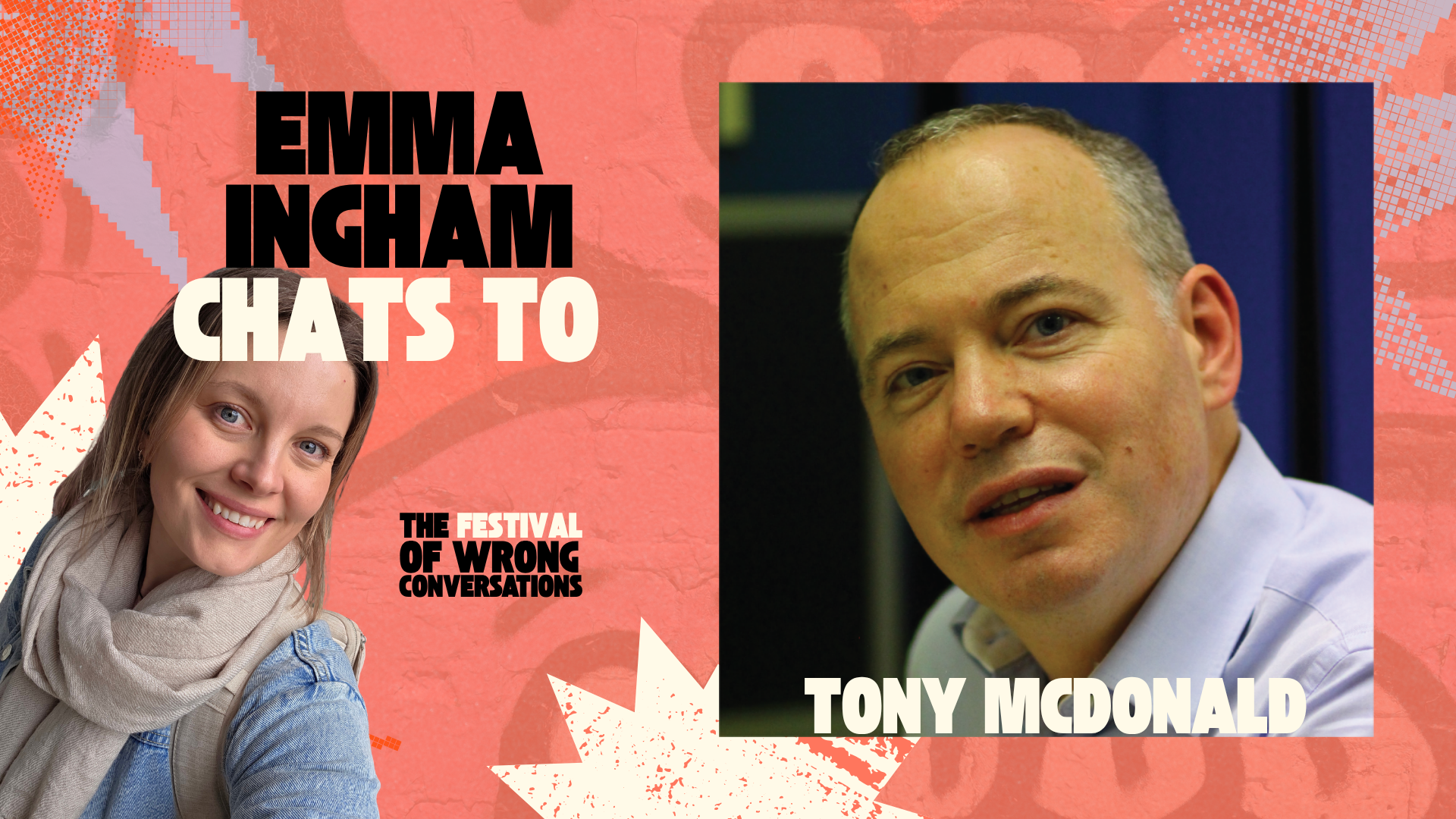
Today, I’ll be joined by Tony McDonald, Chief Integration Officer at East Lancashire Hospitals NHS Trust.
Are you ready to rethink healthcare infrastructure? Join Tony McDonald as he explores the spaces, partnerships and mindsets shaping the future of health. From leveraging local community trust, to breaking out of organisational silos, to knowing when to let others take the lead, Tony shares his views on a fresh, bold vision for health infrastructure.
I was really excited for this one – so grab a coffee, and join me to find out why choosing optimism might just be the true key to real transformation.
The longer read
(Grab yourself a coffee)
Not enough time? Find a snapshot of our conversation here
Emma: Good morning, Tony. If you can introduce yourself, tell us a bit about who you are, what you do, and then if you could just describe what your work looks like in three words.
Tony: I'm Tony McDonald. I'm the Chief Integration Officer at East Lancashire Hospitals NHS Trust. To give a bit of a sense of that my portfolio - it includes digital, data and technology; estates and facilities and the PFI contract for the Trust. It also includes areas such as neighbourhood health partnerships, prevention and health inequalities, commercial, and emergency preparedness. So, it's a broad and varied portfolio of services that I've got.
Emma: Yeah. Incredibly broad, and interesting.
Tony: And for the three words, I would really I would go to our Trust vision: safe, personal, and effective. That's what we're all about.
What does a healthy space mean to you?
Emma: So, the first question I’d like to ask you is what does a healthy space mean to you? That can be personally, or professionally. What does it look like? Have you been in one?
Tony: To me, a healthy space is one in which you have the opportunity to think, reflect, to breathe. Somewhere you can pause, to do your best work and be your best self.
Emma: Nice. I really like that answer.
Are the NHS estate and health infrastructure the same thing?
Emma: So leading on from that, I'm going to move to another question. In your mind, are the NHS estate and health infrastructure the same thing?
Tony: No. The NHS estate is part of our health infrastructure but it's not exclusively our health infrastructure. I would include things like digital data and technology, research and development, and innovation as part of our infrastructure. Also our people are part of our infrastructure as well.
But, the NHS estate is an important component of infrastructure that is often under recognised and there is a growing body of literature which demonstrates that a thoughtful estate that's well designed and developed around people and our colleagues supports long-term outcomes, rehabilitation and health and well-being.
Emma: Yeah, I agree.
And, do you think there's enough focus and emphasis on the multi-faceted connections between the NHS estate and all those other areas you’ve touched on? I think many people who've been involved in estates always get the feeling that it is an undervalued part of the NHS.
Do you think those connections between NHS estate and ‘everything else’ need to be strengthened both ways?
Tony: I think it needs to go both ways, yes.
I've had responsibility for estates and facilities for almost 10 years now, but I hadn't fully appreciated the overlap between the estate and digital and data, and how they need to work together particularly as we're developing new technology and looking at how we can develop and innovate more - then the connectivity between those two and those other parts of our infrastructure are fundamental.
What one thing should we stop doing today to improve health by 2040?
Emma: Moving onto the next question. If we are going to build and help shape healthier society by 2040, in your opinion, what is the one thing you think we should stop doing today that would have the most impact?
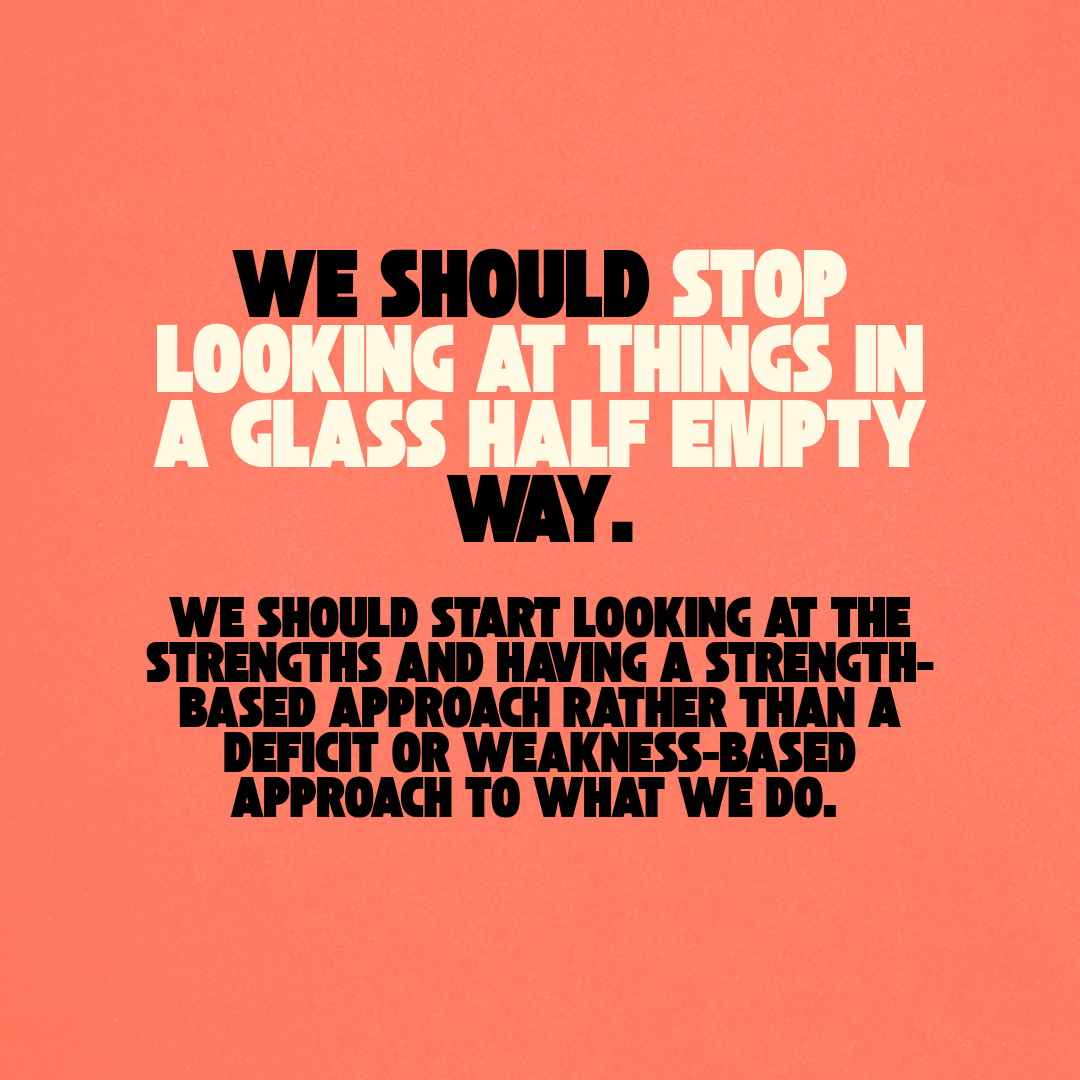
Tony: It's a really good question. I mean, what should we stop doing? There's something for me about we should stop looking at things in a glass half empty way.
We should start looking at the strengths and having a strength-based approach rather than a deficit or weakness based approach to what we do. Let's build from what we see as our strength rather than focusing our attention on our weaknesses and deficits.
Emma: And do you think there's an appetite to do that?
Tony: I feel for me there is, yes. But I do think that the glass half empty thinking is reflective of where we feel we are as a country - there's a general sense of malaise, isn't there? Yet when you have a positive mindset and focus, you tend to find that it unlocks your thinking more and broadens your ideas.
Emma: Yes. Completely agree.
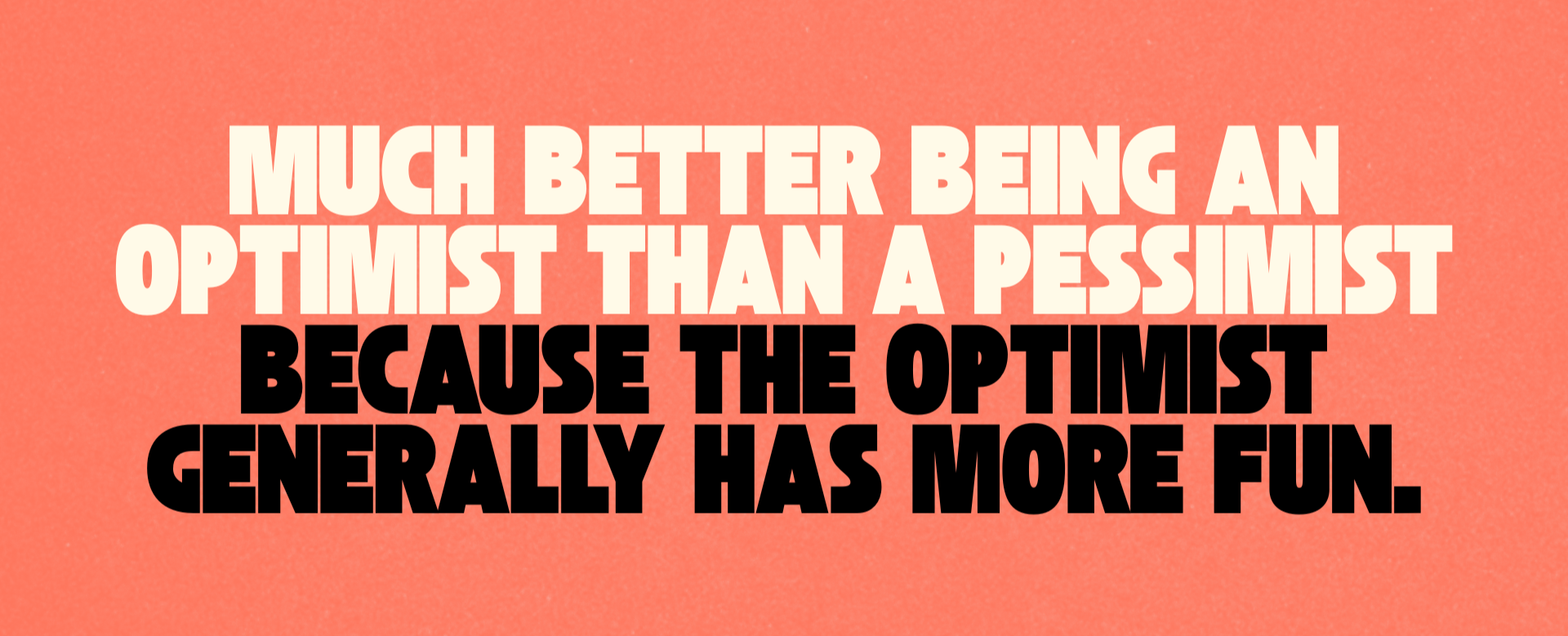
Tony: Much better being an optimist than a pessimist because the optimist generally has more fun.
Emma: Yeah, I love that answer. I think that might end up being my favourite quote for the whole festival, because there is so much truth in it. We need to make sure we can be optimistic - and that in turn can build collective hope and positive momentum.
If you could give someone outside the NHS a budget to do something with a space, who would you give it to, and what would you want them to do?
Emma: So now, if you could hand a chunk of budget to somebody who sat completely outside of the health system to do something with a space (whatever a space means to you in the context of that question), who would you hand it to and what would you want them to do with it?
Tony: Good question.
Part of me thinks hand it to children because they are not inhibited by the past. And if you think about their creativity and energy I think it would be fabulous.
Emma: Love that!
Tony: But, other than that, I would be looking at how we could engage our voluntary and community sector partners and give them the budget and say go away and make the best use of it. I think statutory services tend to be trusted less than community sector partners, and we tend to be more inhibited for a range of reasons - regulation, finance, rules, etc. in a way that others aren't.
Emma: Thanks Tony.
How do we better facilitate others to lead and do what they do best?
Emma: You and I had a conversation many years ago and you said something to me that I always come back to. We were talking about Burnley and the extra care development you’d just started and - I’m paraphrasing but - you said that ‘the Trust were stepping back and facilitating others to do what they did best’ when it came to the development of the specialist housing on NHS land. I have always loved your sentiment on this, so I'd like to explore that a little bit more...
Tony: Yeah, it's a real passion of mine. We were talking about Dovestone Gardens, Burnley - with Calico as the housing provider and developer.
Emma: Yeah.
Tony: We're now doing something similar with the Accrington Victoria Community Hospital site - a site that you has a unique history has a real value to that local community, but in the context of modern healthcare was just not fit for purpose. So we are now doing something with that estate that actually will rejuvenate and regenerate the site and area not just for today but probably for the next generation. But again, we're not doing it ourselves, we’re doing that with a community partner in Calico.
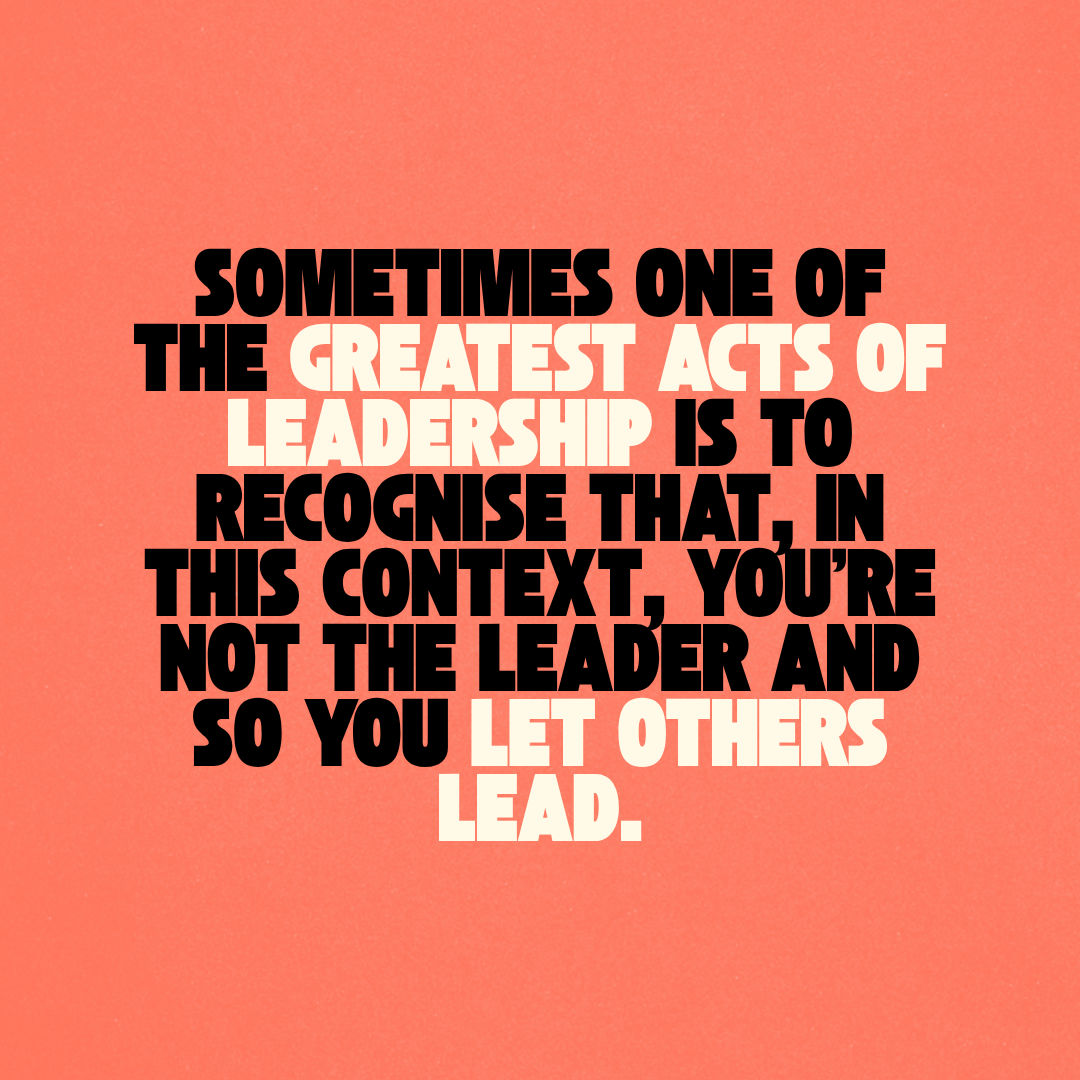
There's a phrase I tend to use a fair bit, which is ‘sometimes one of the greatest acts of leadership is to recognise that, in this context, you're not the leader and so you let others lead’. And that's what we're doing here. We're saying actually our leadership role here is one of supporting the redevelopment but not leading it - and it's really exciting.
Emma: And do you think that's something that NHS organisations sometimes struggle with, because there's almost a feeling of having to relinquish elements of control?
Tony: Completely. There's, I think, a sense in which people feel in the NHS that you have to lead. I don't think that's the case. I think there's times, like thinking about the work we're doing around neighbourhoods actually, when some of those who are far better placed to lead are our voluntary sector or community organisations and they can reach people far better than us- it's the ‘Heineken effect’.
Emma: Ha, yes.
Tony: They are trusted. So what we can do is support them to have the capacity to be able to reach those parts of the community.
Is integration an overused term in estates?
Emma: Thank you. Now this is my personal view, but I probably would argue that ‘integration’ is one of the most overused words in health when it comes to space, estate, and infrastructure. Do you agree, or not?
Tony: Yes.
I would say it's overused in terms of the development of estate, the use of estate, and much more broadly. I was reflecting on this last week I was talking to some colleagues in terms of integration across public sector organisations. I think we've gone backwards over the last decade or so.
What I think we're now beginning to see with the new government and Andy Burnham is a resetting and a move back to where we were. It's very slow, but you can see a direction of travel around mayors, combined authorities, local authorities and the NHS - where there is a greater sense of combined leadership, but also leadership holding the mirror up to each other in a way that perhaps hasn't been done before.
What we've seen over the past 10 to 15 years is a retrenchment into organisational silos rather than the development of truly integrated services. And I remember this because, what my first job when I joined the NHS was an integration role bringing together mental health services from a council and from an NHS trust in central London. And that was over 30 years ago.
And certainly for the first 15 or so years I was in the NHS, my role was around integration, system working, collaboration, partnerships, how we do things together. But I think the second half of my career has been we've seen an unravelling of that and more of a focus around hospitals, the bricks and mortar of hospitals, and around organisational silos which has I think been to the detriment of our local communities and their health. So I'm interested and curious to see how this progresses and to see how it develops with the new government.
What if you had an hour with the Secretary of State for Health and Social Care?
Emma: That segues quite nicely then to the final question which is - If you had one hour uninterrupted with the Secretary of State for Health and Social Care, what would you want to say to them when it comes to health space?
Tony: I would say focus your estate around people when it comes to design and delivery, ensure it’s flexible and could have multiple uses, make sure it’s future proof because these spaces will be there probably in 50 years’ time, and design it with technology at the forefront of your mind. But not just in terms of the technology we have of today, but try and anticipate how evolving technology might impact out estate - we're going to see much more automation, much more robotics.
And, I think that technology’s going to empower people to take much greater control of their health.
So if you design health spaces around people, but with that flexibility-future proofing-technology in mind, I think you can't go far wrong.
Emma: Do you think there's a tension in what you’ve just said? Think about flexibility, adaptability, future proofing and ensuring we’re ready for more digital technologies. Then think about that alongside the human element of the estate and designing for people. Sometimes the former gets prioritised over the latter - how do we find the right balance?
Tony: I think that tension you're describing there is money. I think we often want to design in the way I've described (where we do both), but we're often circumvented because of money. So, we can't quite do what we wanted to do.
To give an example of this, not from an estates perspective, but from a digital perspective, we've had our electronic patient record system for three years now. It's a really good system, but because of financial constraints, we're not realising all of its benefits and we're actually now beginning to retrofit in some of what we missed.
That for me, and cases like it, are examples of short-sightedness and I think a lack of will and courage to say ‘do you know what - we are going to have to spend more at the beginning because we're going to deliver those benefits and it's going to give us far better outcomes’.
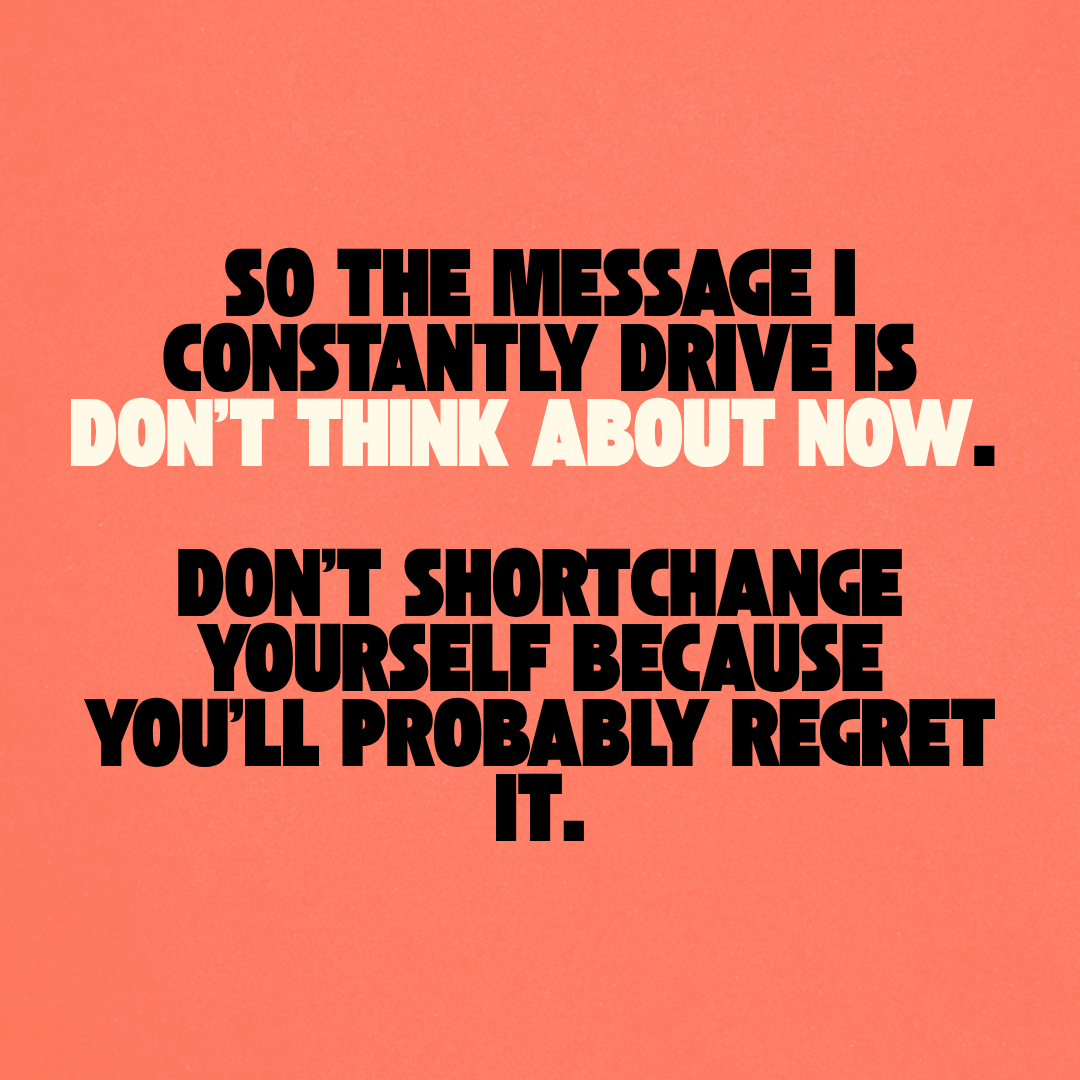
So the message I constantly drive is don't think about now. Don't short change yourself because you'll probably regret it. And I think we do that too often with our estate.
Goodbye and my takeaways
Emma: Thank you. So, my three takeaways from our conversation - don't think about now, be courageous, and always be an optimist! That’s a great way to start the week.
Tony: I love it.
Emma: Thank you much for your time, Tony. It's been really lovely to chat to you.
Tony: You're more than welcome.